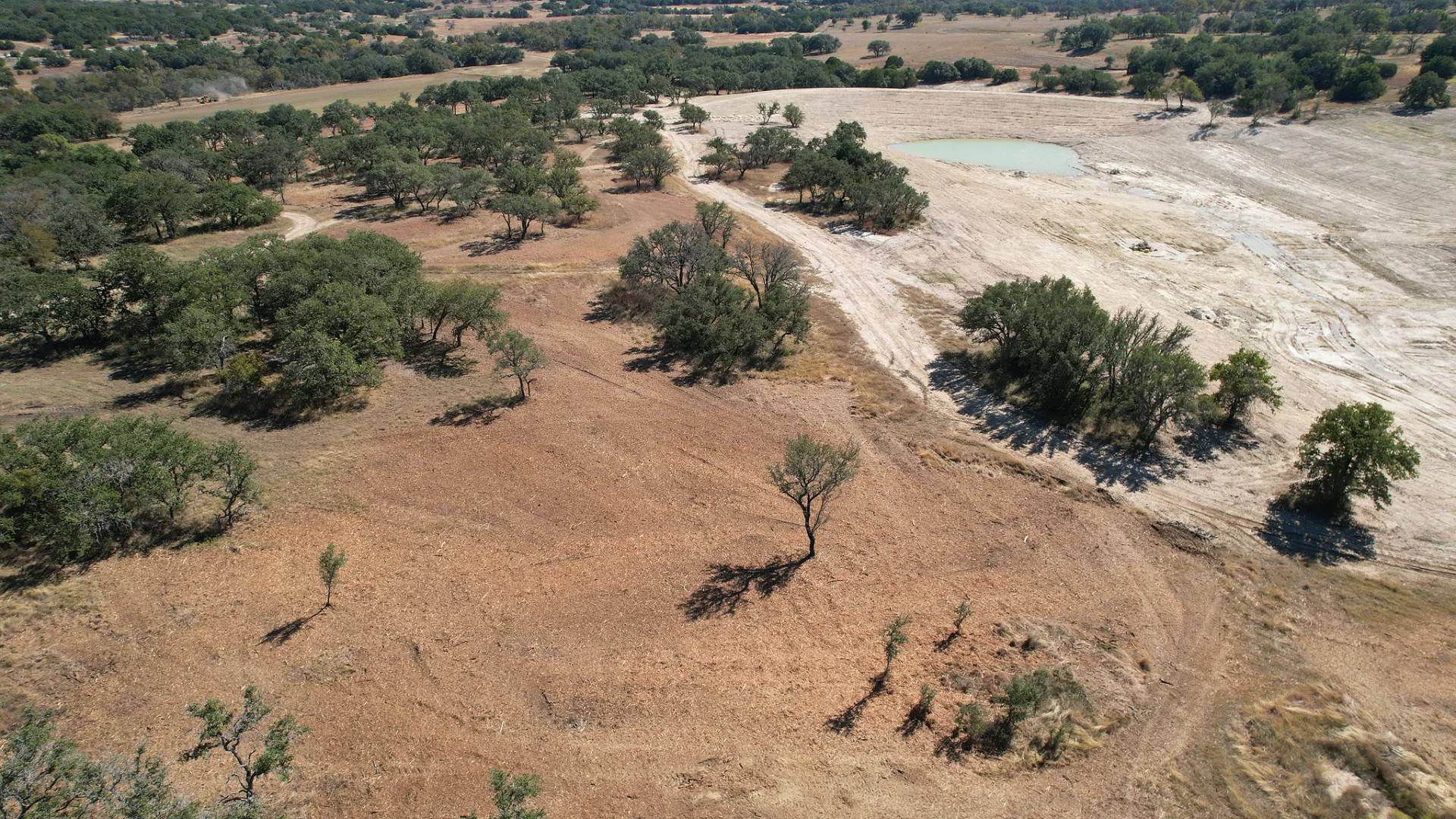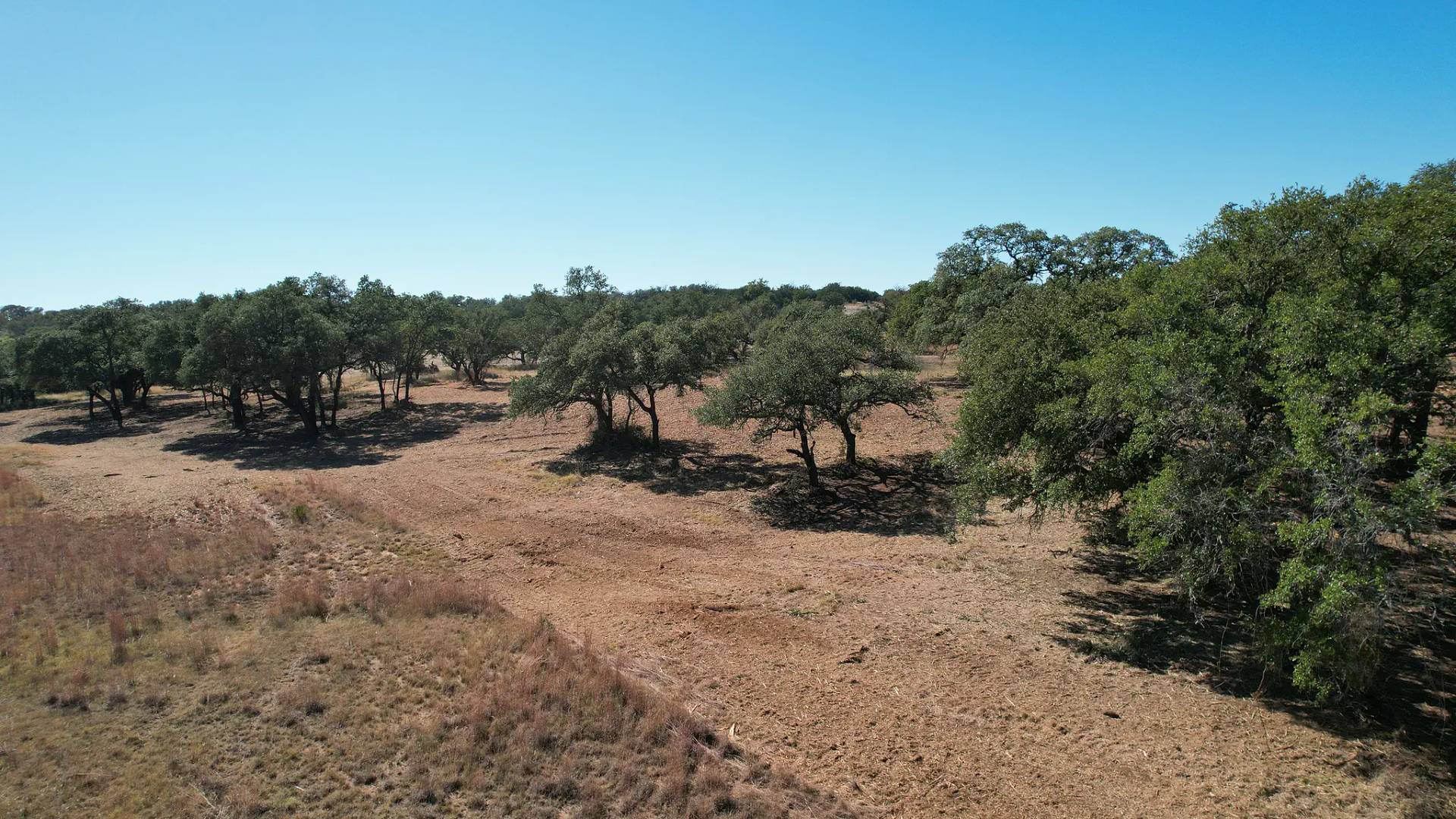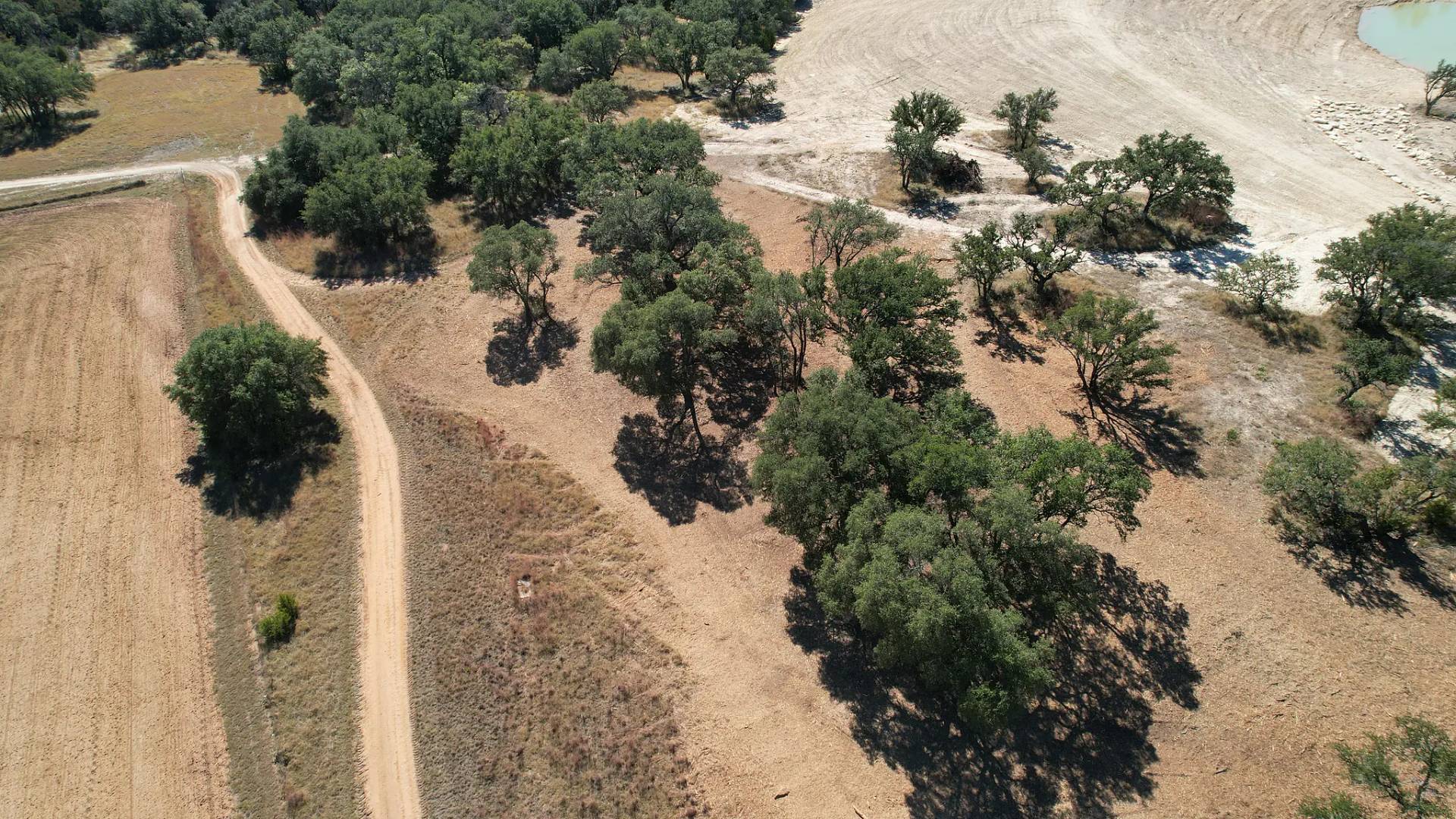
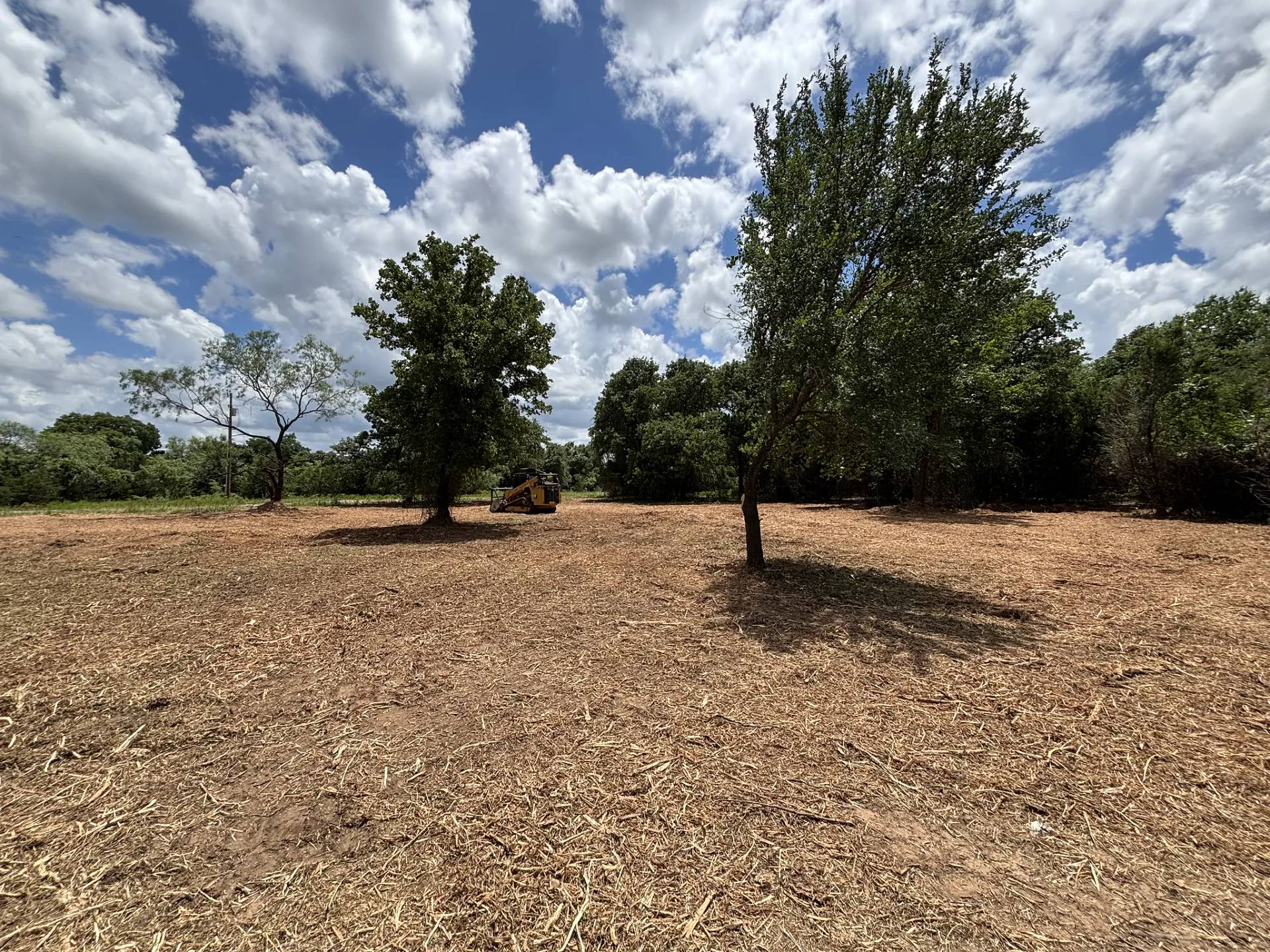
Mills County has always been livestock country: cattle, sheep and goats on hills and plateaus between the Lampasas River side and the Colorado. A lot of that ground has gone to cedar, mesquite and shin oak thickets. Double L Land Management provides land clearing and forestry mulching across Mills County to put that land back to work, whether it carries cows, goats or deer.
The brush that takes over Mills County pasture
The county's timber is live oak, post oak, shinnery (shin oak), pecan and cottonwood, with cedar covering the rougher hills. Shin oak is the one that surprises people: it spreads in low, dense thickets from its roots and comes back when it's cut, so clearing it is a matter of knocking it down hard and planning for some sprouting after. Ashe juniper is the opposite and doesn't return from a cut stump. Mesquite and prickly pear fill in the flatter, more open pasture. We sort out what's on your land on the first walk, because each one needs a different plan.
Goat raising grew in Mills County as cotton faded, with many herds kept for mohair. Goats browse brush hard, and on places where they've been gone for years, cedar and shin oak tend to fill the gaps they used to keep open. Hunting and fishing along the Colorado also draw recreational buyers, and a recreational tract wants different clearing from a working ranch: roads, lanes and openings rather than pasture from fence to fence.
From the Cowhouse Mountains to Pecan Bayou
The ground varies across the county. The Cowhouse Mountains run northwest to southeast through it, and San Saba Peak, at about 1,700 feet, is a cedar-covered landmark with white rock showing through. Pecan Bayou crosses the western side from north to south, and the Colorado River runs along the western edge, down toward the old Regency suspension bridge into San Saba County. North and South Bennett Creeks drain the east side toward the Lampasas River. Soils run from black waxy clay and river alluvium to sand and loam, so one ranch can have three kinds of ground on it.
So the machine changes with the ground. On the cedar hills, a forestry mulcher takes the trees and leaves the thin soil covered. On the deeper flats, where heavy mesquite has to come out and you want open pasture, the CAT D5 dozer pushes it out at the root. Rain averages somewhere around 28 to 30 inches a year here, and the growing season runs about 230 days, so grass that's been shaded out by cedar for years has a real chance to come back once it gets the sun and the water the brush was taking. That same short rainfall is why a stock tank in a cleared draw is so often the next thing a Mills County pasture needs.