Call or text anytimeMeridian, TX · Bosque CountyFacebookYouTubeInstagram
Double L Land Management LLC (254) 267-0626Free quote
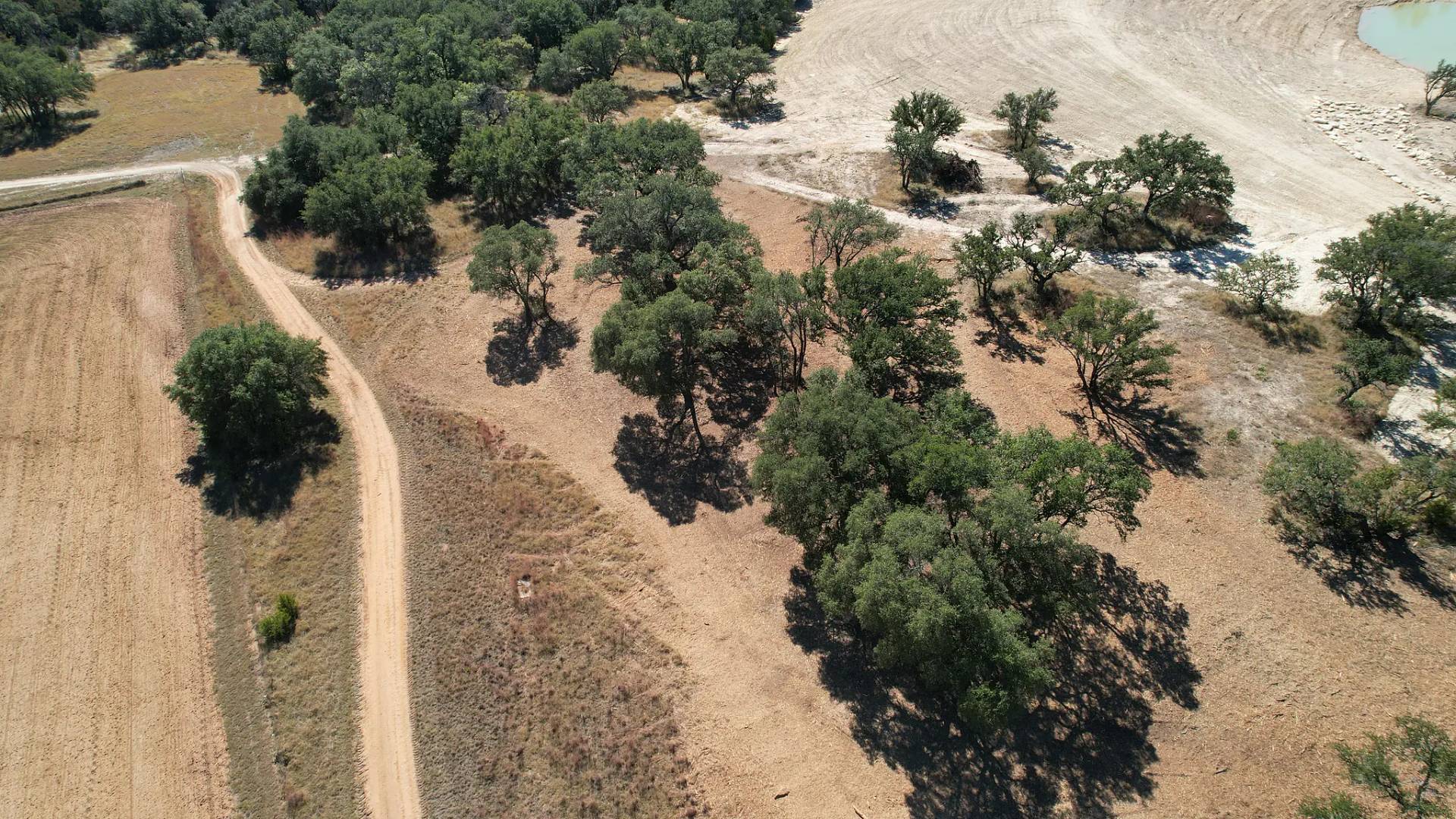
Drone view of a large tract cleared of brush, oak mottes and a ranch road across the ground

Land clearing and forestry mulching in Coleman County, TX

Mesquite savanna back to grass, from Santa Anna west.

Double L Land Management clears mesquite and brush across Coleman County, TX, around Coleman, Santa Anna and Novice, turning brush-choked pasture back into grass. We grub mesquite where it would resprout and mulch around the oaks worth keeping.

Fully insured · all-new fleet · Weiler M860A mulchers · CAT 320 excavators

Coleman County sits in the transition between the Edwards Plateau and the Rolling Plains, with mesquite-grassland savanna on the open ground, oaks on the hills and woodland along the creeks and the Colorado River. Double L Land Management does land clearing across the county, around Coleman, Santa Anna and Novice, turning mesquite and brush-choked pasture back into grass. Where trees are worth keeping, forestry mulching thins the brush and leaves them standing.

Mesquite country with hills in it

Most of the county is rolling hills, and the roughest of it is in the northwest corner, at Bead Mountain between Valera and Talpa, and in the Santa Anna Mountains beside the town named for them. Jim Ned Creek and Hords Creek drain the northern half toward Pecan Bayou, while Grape Creek and Bull Creek run south to the Colorado, which forms the county's southern line. Rainfall averages under 27 inches a year, so every mesquite in a pasture is drinking water the grass could use.

Mesquite is the main fight here, with oaks on the hills and cedar in places. Mesquite resprouts from buds at its base, so a quick top cut just makes it bushier. Clearing that lasts on a Coleman County pasture means taking out the crown, by grubbing with the dozer or by planning follow-up treatment on the regrowth. If the cedar on your place is redberry juniper rather than Ashe juniper, the same applies: redberry sprouts back from its base too, where Ashe does not.
How a Coleman County clearing job runs

  1. 01

    Look at the grass, not just the brush

    On the walk, we look at what grass is left under the mesquite. That tells us how fast the pasture comes back once the canopy is gone and whether it will need seed.

  2. 02

    Choose mulch or grub, area by area

    Scattered mesquite on decent grass often suits the forestry mulcher. Thick mesquite in an old field may be better grubbed out with the CAT D5 dozer. Oak hills get a lighter hand, with the track loaders working around the trees you're keeping.

  3. 03

    Leave the creek banks some cover

    Along Jim Ned Creek, Hords Creek, Grape Creek or the Colorado, we leave a strip of cover at the bank so the soil stays put when a storm sends water down the draw.

  4. 04

    Hand it back ready for grass

    We walk the finished pasture with you and point out what to watch for in the first season, like mesquite sprouts from roots that ran farther than expected.

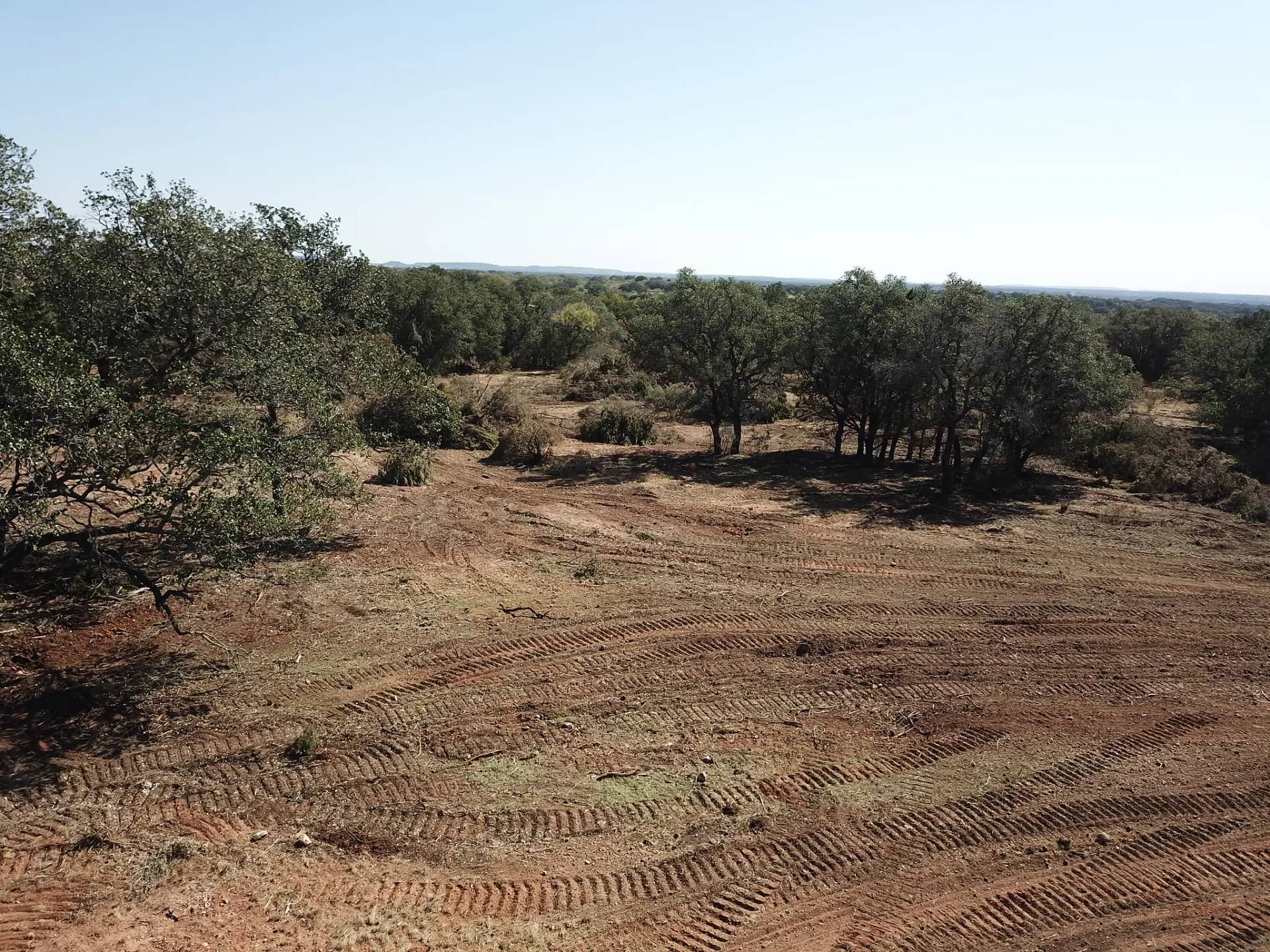
Land clearing: freshly cleared ground marked with track lines, a brush line beyond
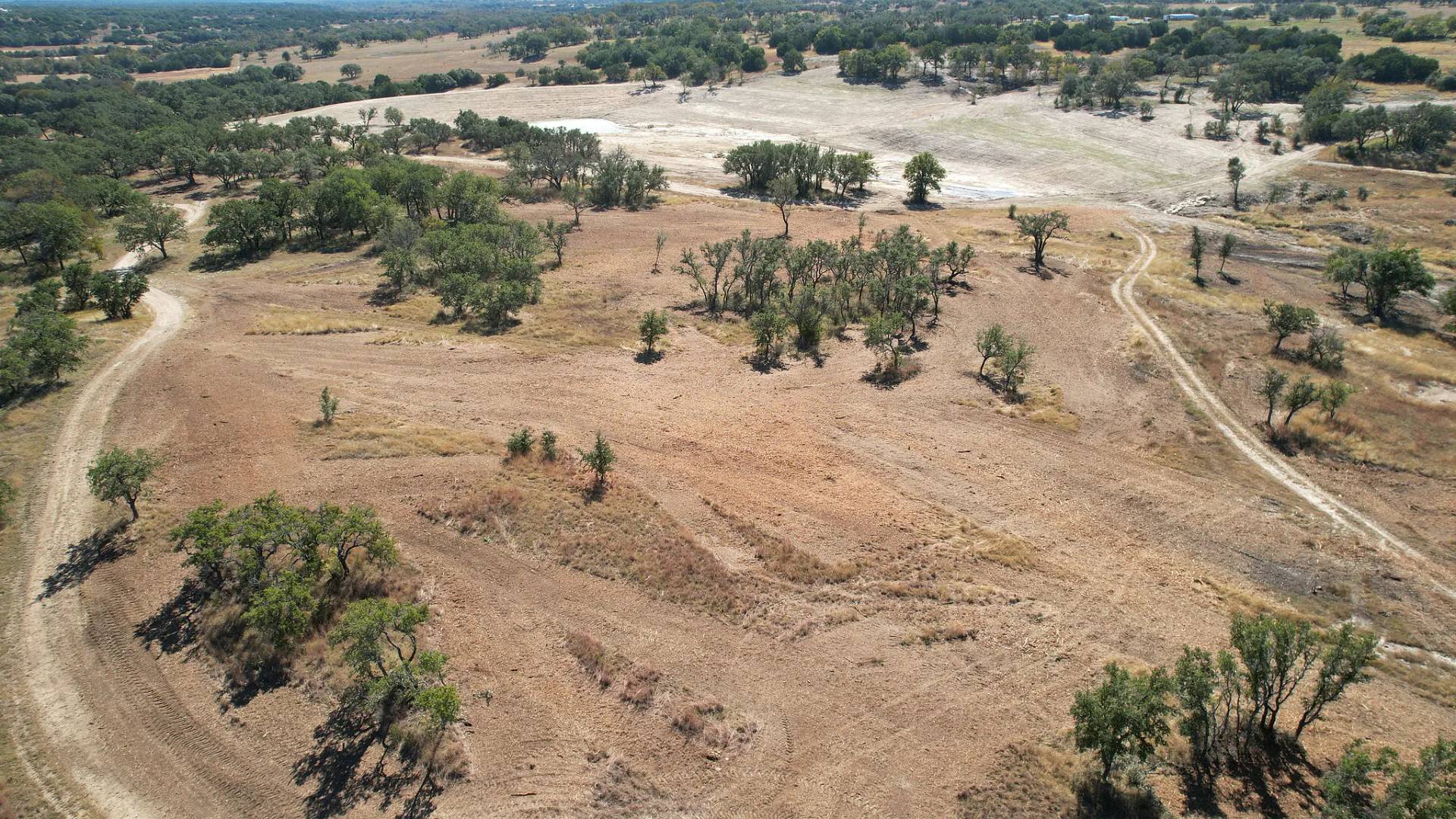
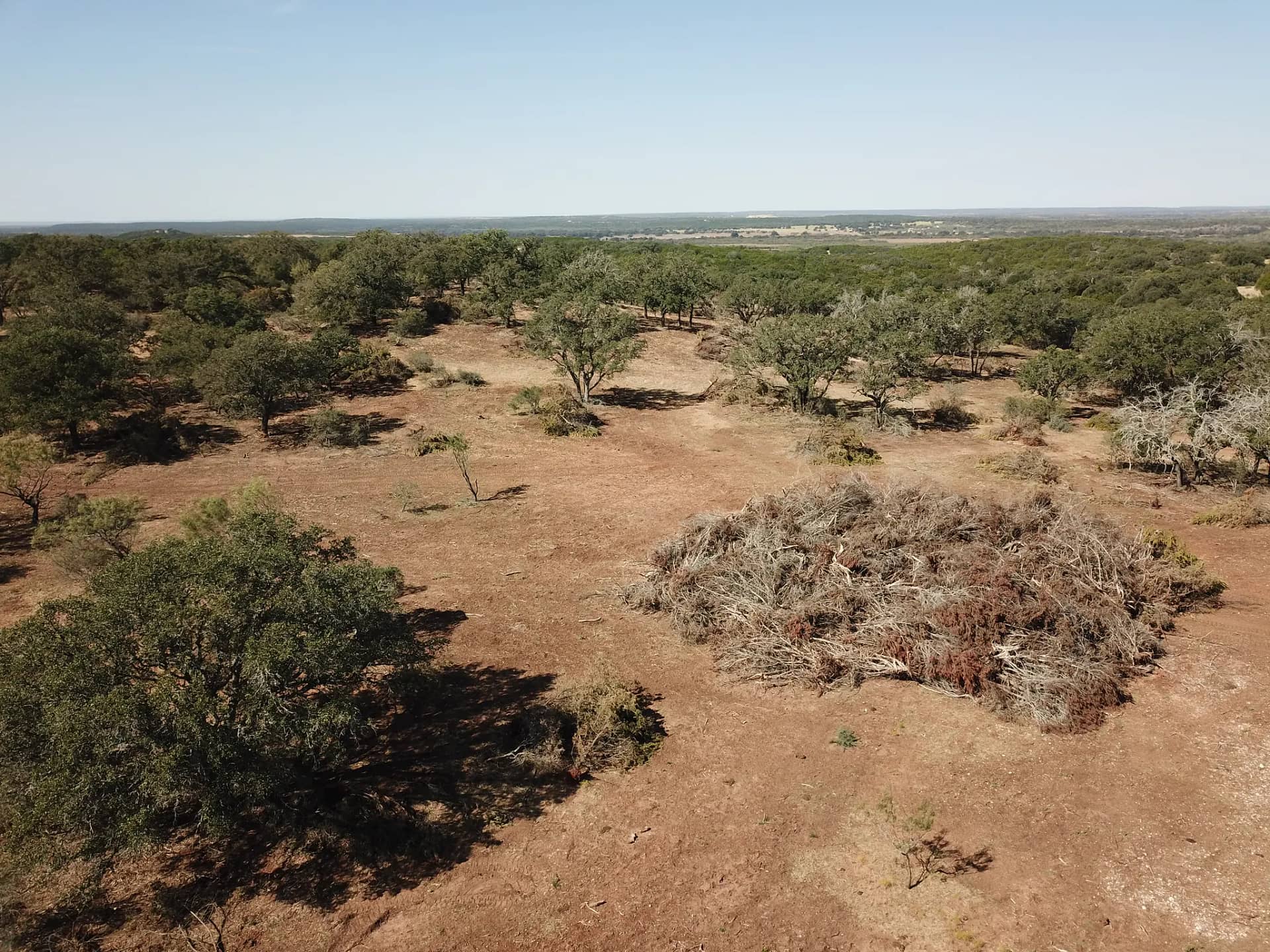
Land clearing in hill country: a wide view of a tract opened up between oak mottes

Ranch land, small towns and the lakes

Out in the county it's working farm and ranch ground, and the clearing is mostly pasture and fence lines. Around the towns, the work shifts to homesites, shop pads and fence lines on smaller tracts. Hords Creek Lake, about nine miles west of Coleman on FM 153, is an Army Corps of Engineers lake finished in 1948 with the City of Coleman paying toward its water supply, one of the first Corps projects put into operation in Texas. Coleman Lake, on Jim Ned Creek about fourteen miles north, is the City of Coleman's water supply. On land that borders either one, we clear only your side of the line.

The drive from Meridian

Coleman is about 120 miles from our base in Meridian, out through Dublin, Comanche and Brownwood and then west on US 84 past Santa Anna. Double L has been based in Meridian since Michael Myers founded it in 2021, and the operators in the seats on your place are the company's own. The free on-site estimate comes first, so the plan is settled before anything is hauled. On moderate brush, the mulcher usually clears 1 to 4 acres a day; heavy mesquite takes longer.

After clearing, a lot of Coleman County land needs water and fence. We build ponds and stock tanks and put up livestock and game fencing, and we also take work in Brownwood, across the river in McCulloch County and out in San Angelo.

If mesquite has taken over your Coleman County pasture, request a free on-site estimate or call (254) 267-0626. We take work in Coleman, Santa Anna, Novice and across the county.

120 miles from Meridian

About that by road, on Highway 6, US 377 and US 84. The crew and machines come from our base in Meridian.

Highway 6US 377US 84MeridianColeman County

Questions from Coleman County landowners

Why does mesquite come back after clearing in Coleman County?

Mesquite carries buds at its base and root crown, and when only the top is cut, those buds sprout into a thicker bush. To keep it gone, the crown has to come out, usually by grubbing with a dozer, or the regrowth needs follow-up treatment. We'll recommend one or the other for each part of your place.

Can you clear the mesquite and leave the oaks on the hills?

Yes. We mark the oaks you want to keep on the site walk, then mulch or grub the brush around them. Track loaders let us work close to the trees without tearing up their root zones.

Can you clear land next to Hords Creek Lake or Coleman Lake?

We can clear your private land up to the property line. Hords Creek Lake is an Army Corps of Engineers lake and Coleman Lake is city water supply, so anything past your line is up to them, not us.

Will I need to reseed a Coleman County pasture after the mesquite comes out?

It depends on what's still growing under the brush. Where native grass is hanging on beneath the mesquite, it usually fills back in once the canopy is gone and it gets the sun and the rain again. Ground that's gone bare, like an old field or a heavily shaded stand, may need seed. We look at the grass with you on the site walk and tell you which you're likely dealing with.

Let’s get your land working for you.

Free on-site estimates for farms, ranches and homesites in Coleman County, TX.

CallFree quote