Bell County is two kinds of country sharing one courthouse in Belton. The Balcones Escarpment cuts through the middle of the county, close to the I-35 corridor. East of it lies level Blackland Prairie farmland; west of it, the Grand Prairie rises in rolling, stony uplands toward Belton Lake and Stillhouse Hollow Lake. Double L Land Management does land clearing and forestry mulching on both sides of that line, and the side you're on decides how we go about it.
West of I-35: cedar on shallow, stony ground
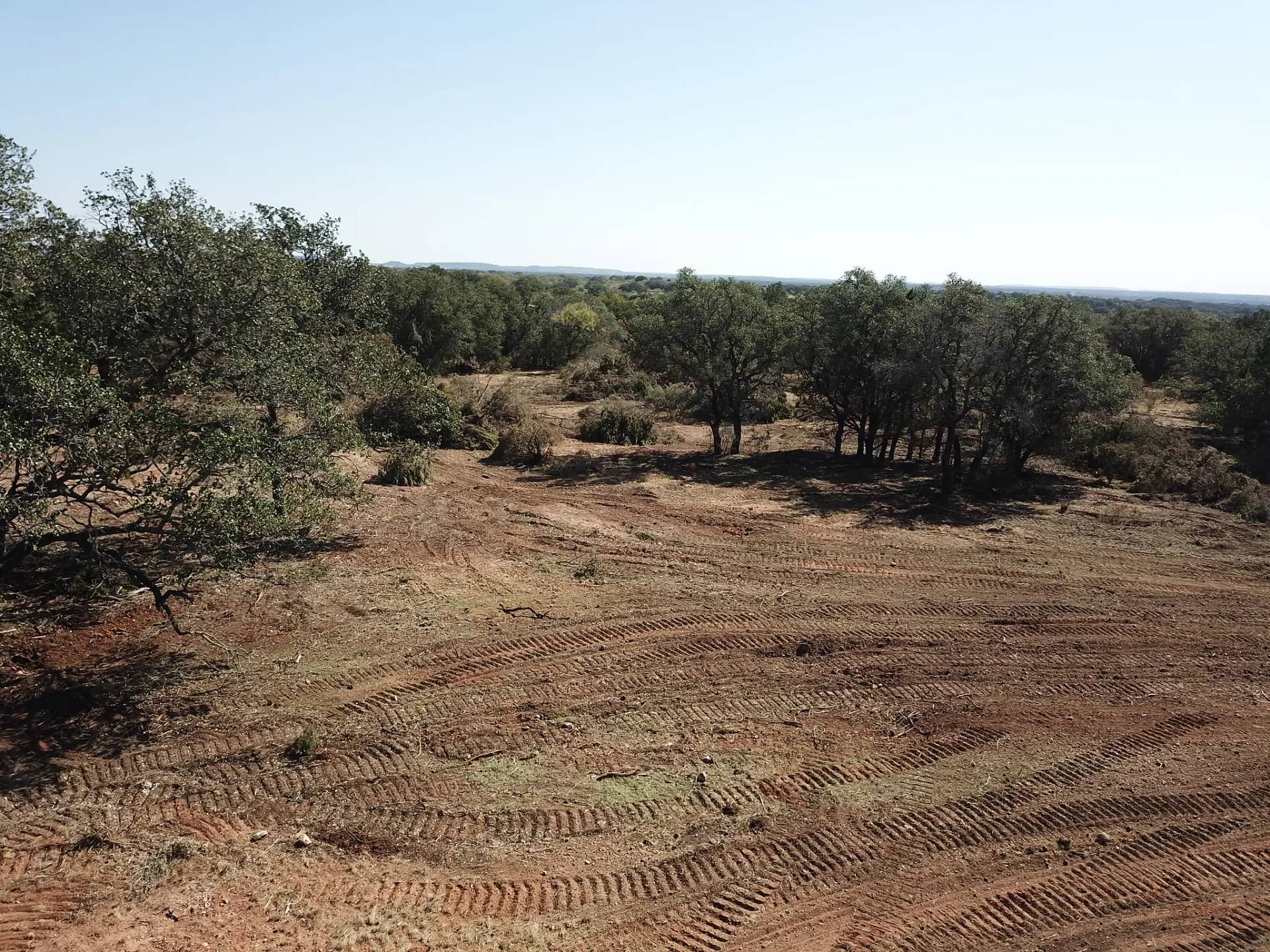
West of the fault, the soils turn lighter, limy and shallow, with stony slopes and bluffs along the stream valleys. Ashe juniper (cedar) thrives there alongside oak and mesquite, and that's where most Bell County clearing starts: acreage around the two lakes, ranchland running toward the Coryell County line, and tracts that haven't seen a brush crew in years.
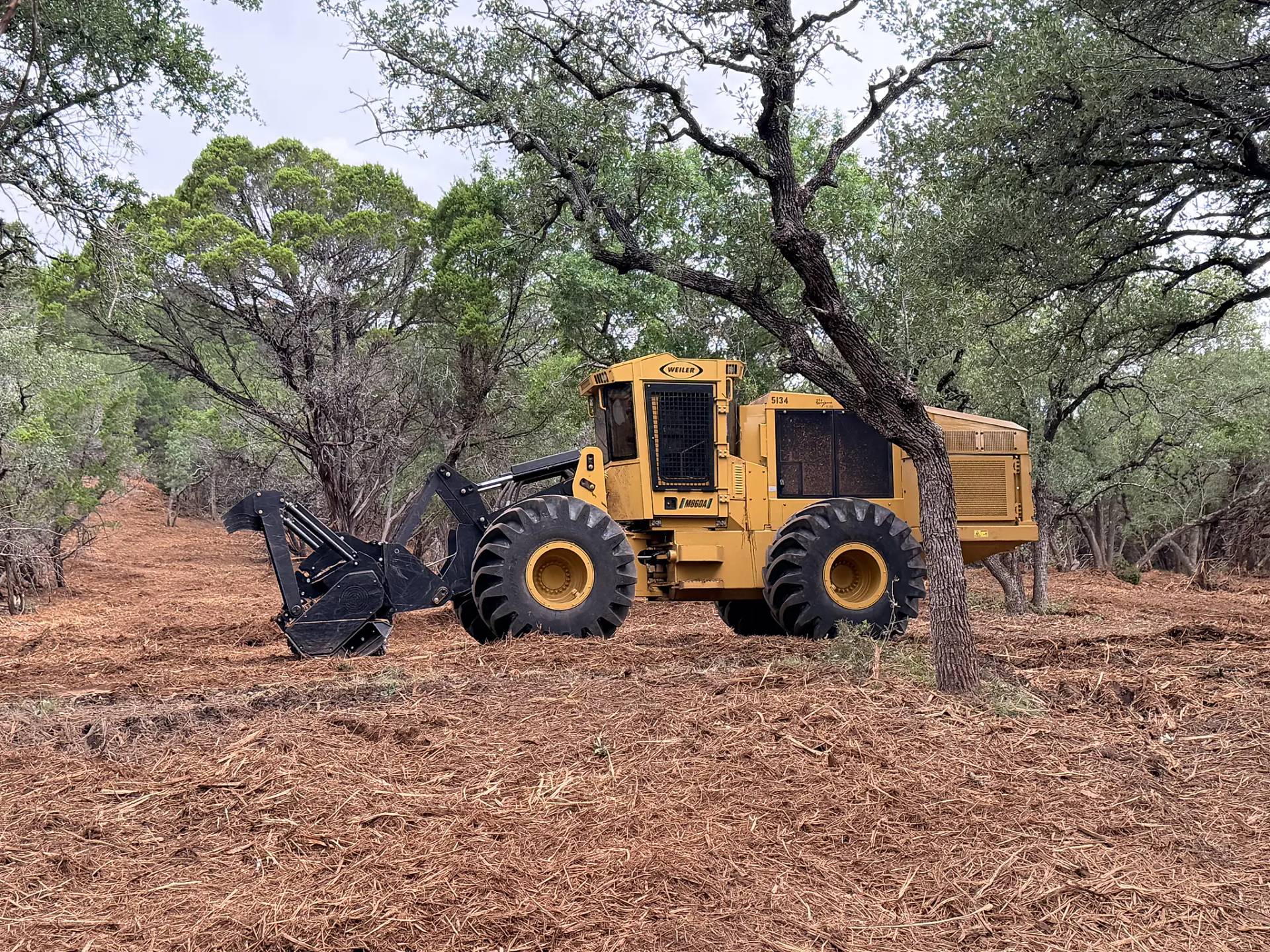
On that ground we usually lead with the Weiler M860A mulcher. It cuts cedar at the base and grinds it into a mat that stays on the slope, which matters on thin soil that washes off once it's bare. Cedar doesn't resprout from a cut stump, so one clean pass finishes it.
East of I-35: blackland fields and grown-up fencerows
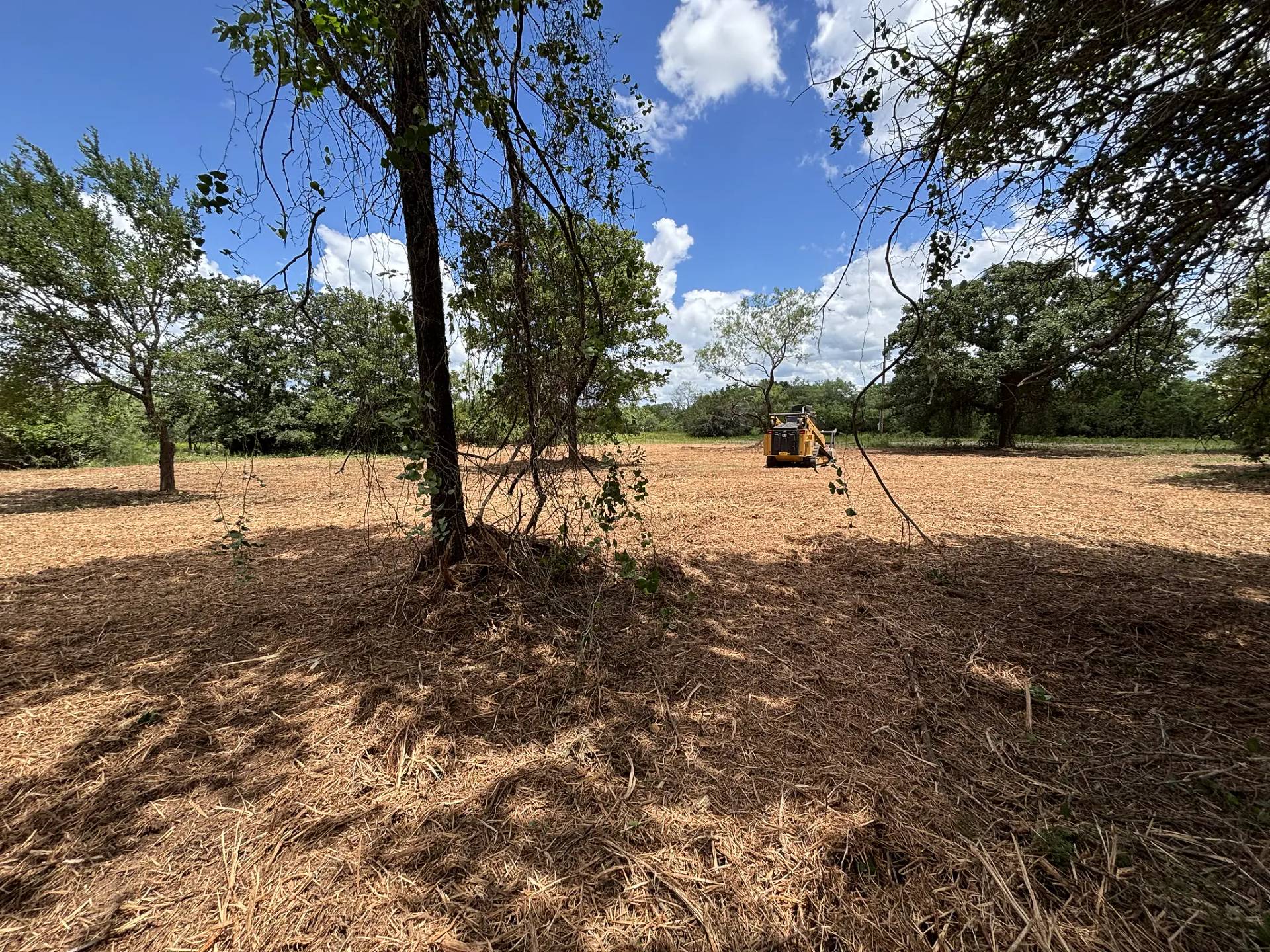
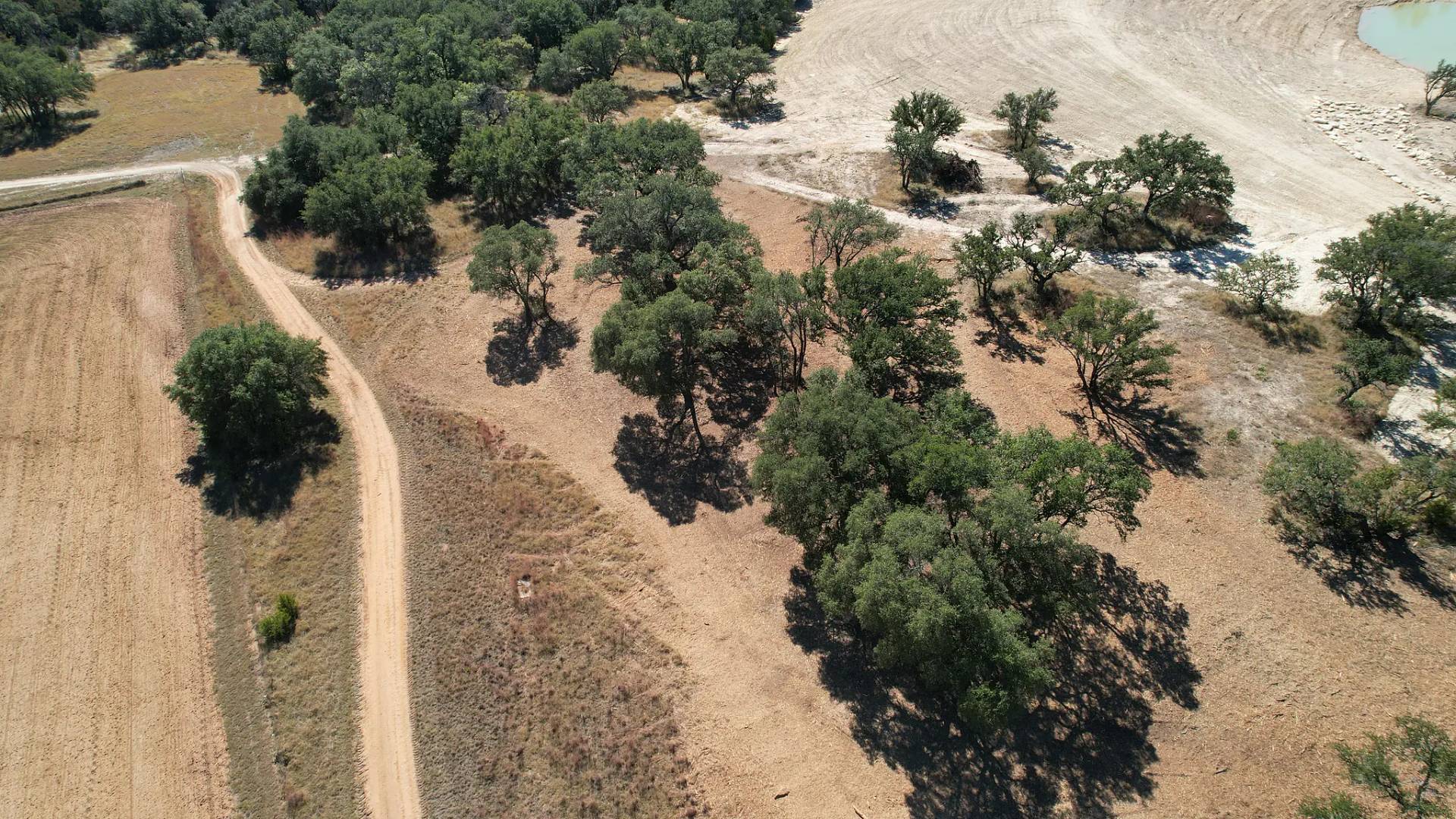
East of the fault, the county flattens into dark blackland soils, much of it Houston Black clay, some of the best farm ground in the state. There's far less cedar out here, and the work changes. Fencerows grow over with hackberry, mesquite and cedar elm, the creeks carry wooded strips, old homeplaces go to brush, and fields are being divided into acreage lots. A track loader or the CAT D5 dozer often fits that work better than a mulcher, because a buyer wants clean, open ground for a pad, a drive or a shop. Blackland clay turns sticky and slick after a good rain, so we work around wet spells instead of rutting your field.