Call or text anytimeMeridian, TX · Bosque CountyFacebookYouTubeInstagram
Double L Land Management LLC (254) 267-0626Free quote
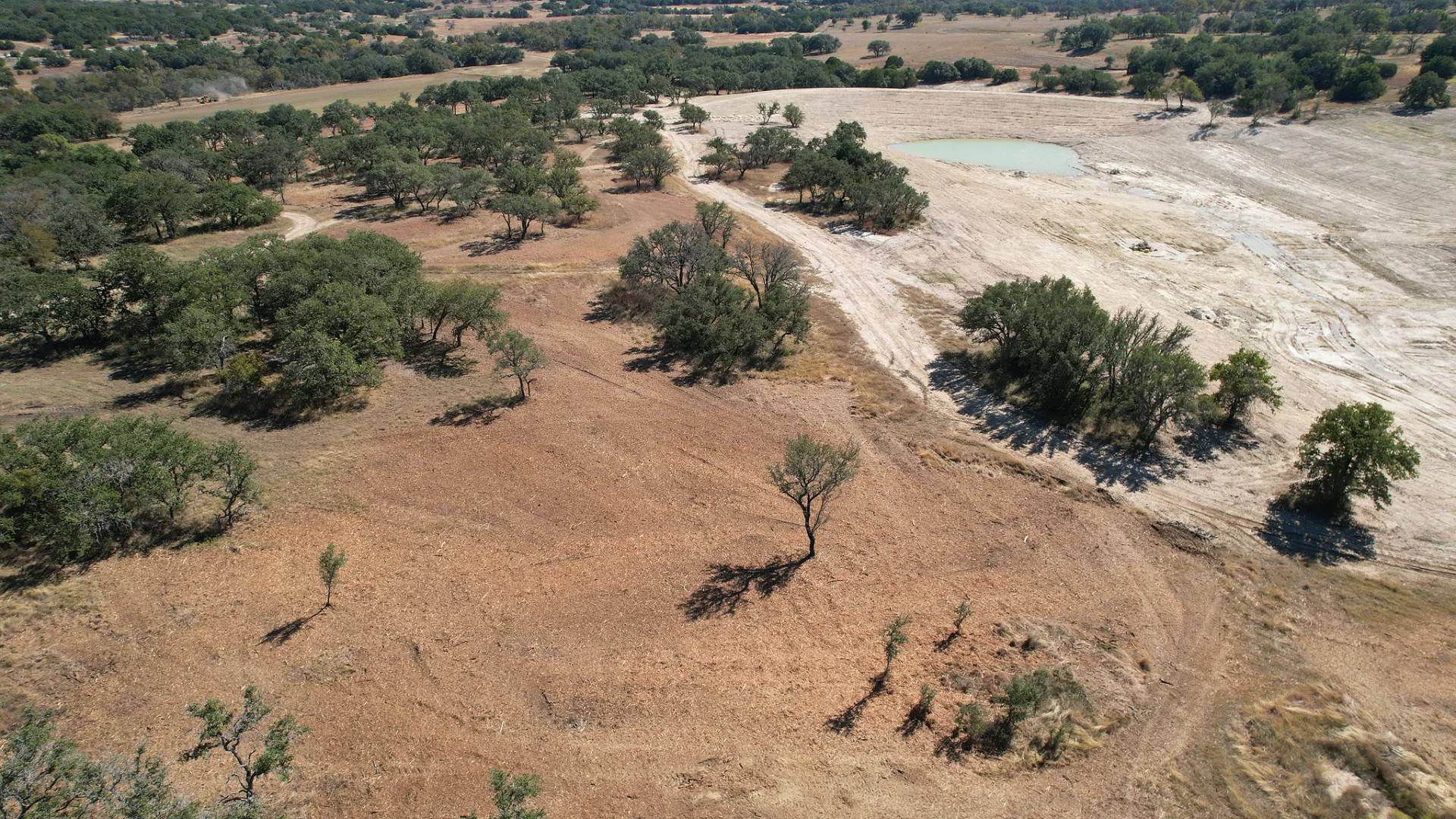
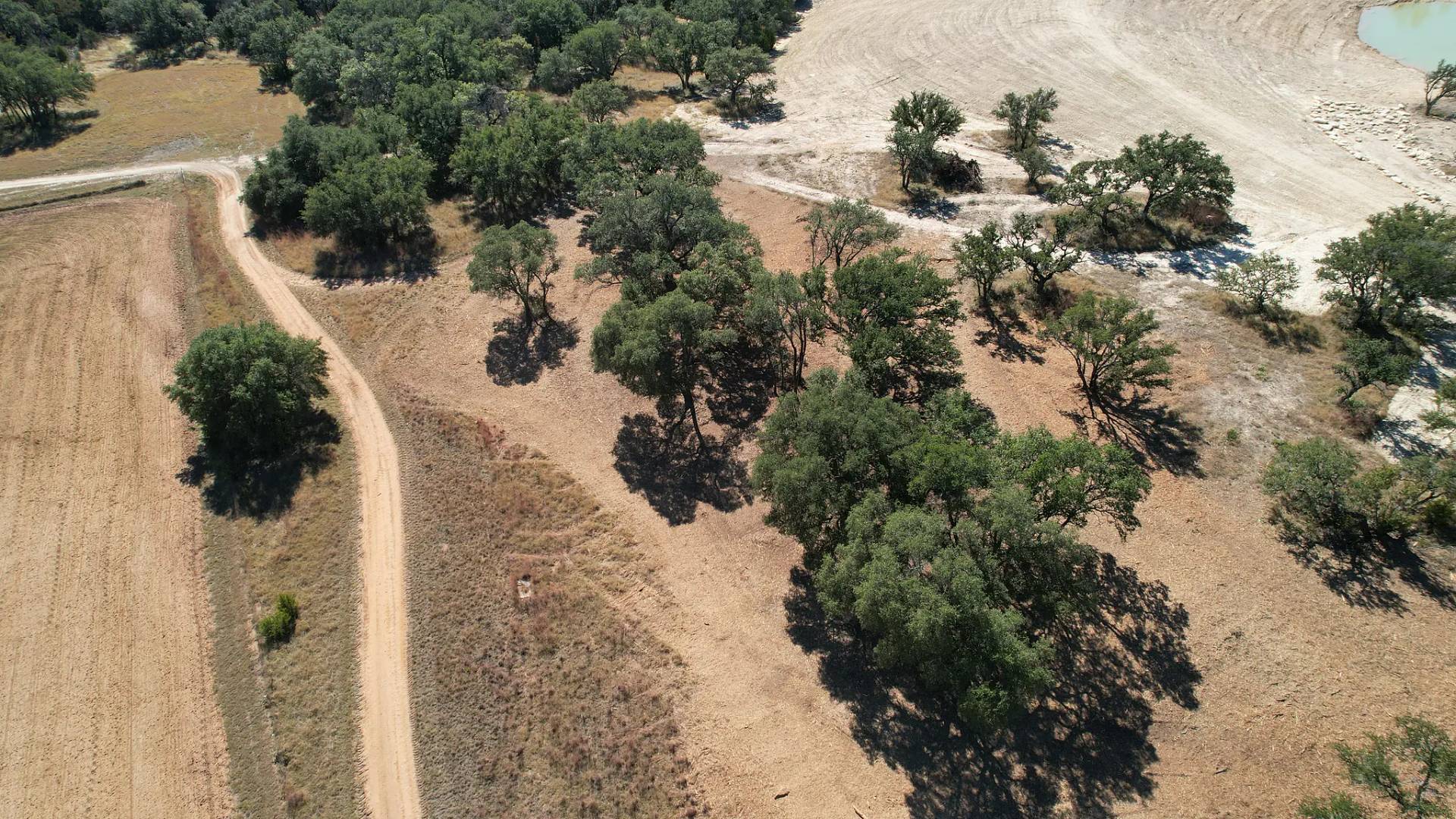
Drone view of pasture mulched clear of brush, live oaks left standing beside a caliche road

Land clearing and forestry mulching in Austin, TX

Hill Country cedar west of I-35, black clay east.

Double L Land Management clears acreage around Austin, TX, from cedar-and-oak tracts west of town to Blackland pasture east of I-35 and post oak and pine near Bastrop. We travel from Meridian and match the machine to the ground you have.

Fully insured · all-new fleet · Weiler M860A mulchers · CAT 320 excavators

Within an hour of downtown Austin there are three different kinds of land, and each one clears differently. Double L provides land clearing and forestry mulching on rural and edge-of-town acreage around Austin, from the hills out toward Dripping Springs to the farm ground past Manor, and the plan for your tract starts with working out which ground you're on.

Three kinds of ground around Austin

West: Hill Country limestone

West of the Balcones Escarpment, out US 290 toward Dripping Springs, SH 71 toward Spicewood, and RM 620 and RM 1431 around Lake Travis, the land is thin soil over limestone with Ashe juniper and live oak. Mulching is the usual tool: it takes out the cedar, leaves the oaks, and puts a mulch layer on the slope that keeps soil from washing down toward the creek. Barton Creek, Onion Creek and the Pedernales cut deep through this country, and the slopes above them are where keeping the soil covered matters most. Rocky drives and pads out here often need rock grinding as well.

East: Blackland Prairie clay

East of I-35, toward Manor, Hutto and Taylor, the hills give way to deep black clay farmland. There's little cedar. The brush is mesquite, hackberry and other trees that fill in old fence rows and fields left fallow. This clay swells when it's wet, cracks when it's dry, and turns slick under heavy tracks after rain, so on this side we schedule around the weather and often bring the dozer to grub out roots on ground that's going back into hay or under a building.

Southeast: post oak and pine toward Bastrop

Along SH 71 toward Bastrop and Smithville, the soil turns sandy and the trees change to post oak, yaupon and the loblolly pines of the Lost Pines. Yaupon and understory thicken fast under the canopy. Thinning it out and opening defensible space around homes is work the mulcher does well, in a county that remembers the 2011 Bastrop County Complex fire.

Check these before you clear

Around Austin, the tree rules are worth checking before anything else. Inside the city limits, any tree 19 inches or more in diameter at 4.5 feet off the ground is protected and needs a city permit to remove, and heritage species such as oaks, pecans and cedar elm get stricter review from 24 inches. The city's tree ordinance doesn't apply in its extraterritorial jurisdiction, so a tract just outside the limits isn't covered by those permits. In western Travis County, mature cedar-and-oak woodland can be habitat for the golden-cheeked warbler, the federally protected songbird the Balcones Canyonlands were set aside for, so check with the U.S. Fish and Wildlife Service before clearing old, tall stands out west.

Oak wilt is active around Austin too. The Texas A&M Forest Service advises avoiding wounds to oaks from February through June, when the beetles that spread the fungus are most active, and painting any fresh oak wound at any time of year. We work around the oaks you're keeping with that in mind.
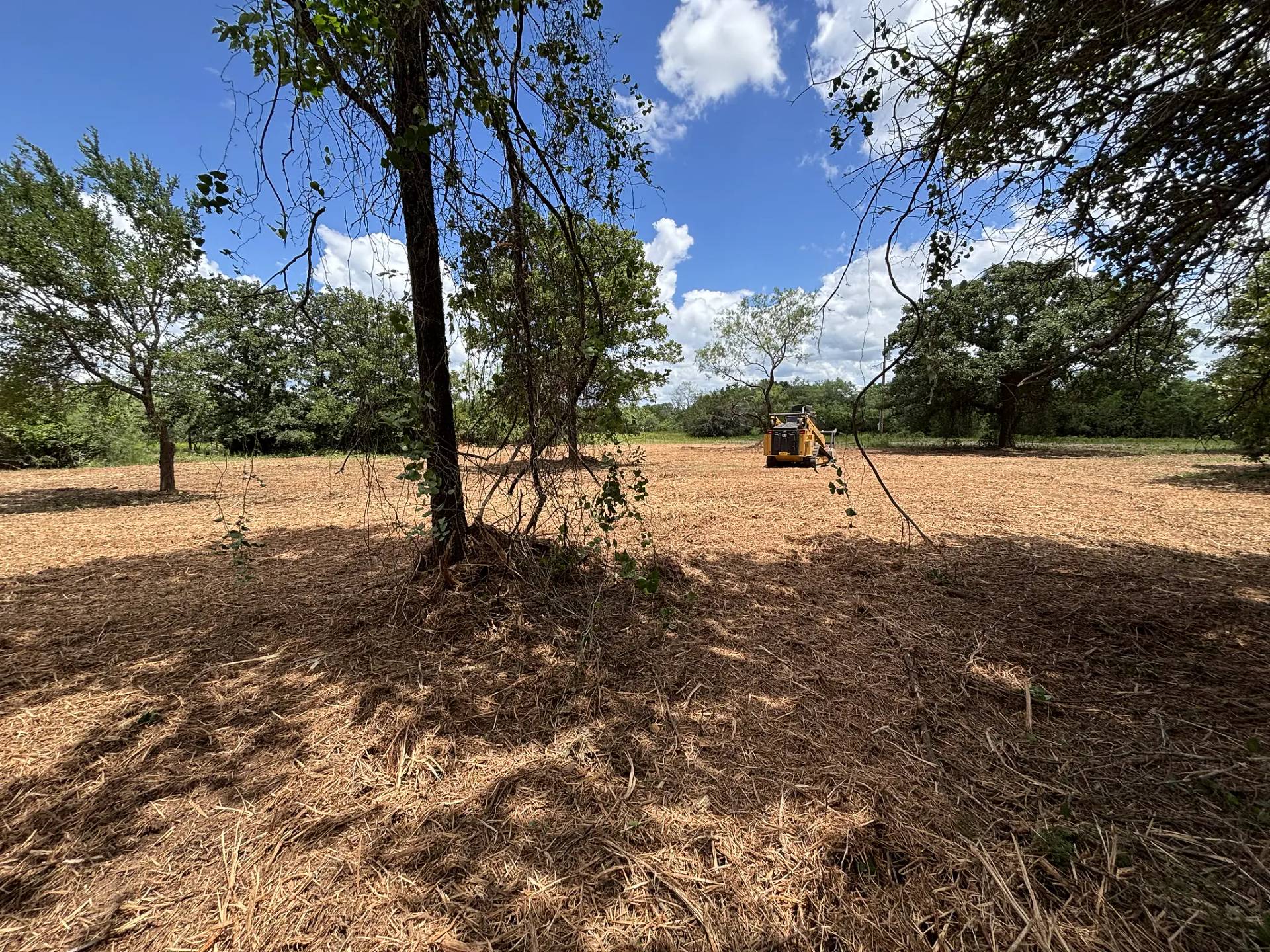
Underbrush mulched out beneath live oaks, leaving open ground and shade
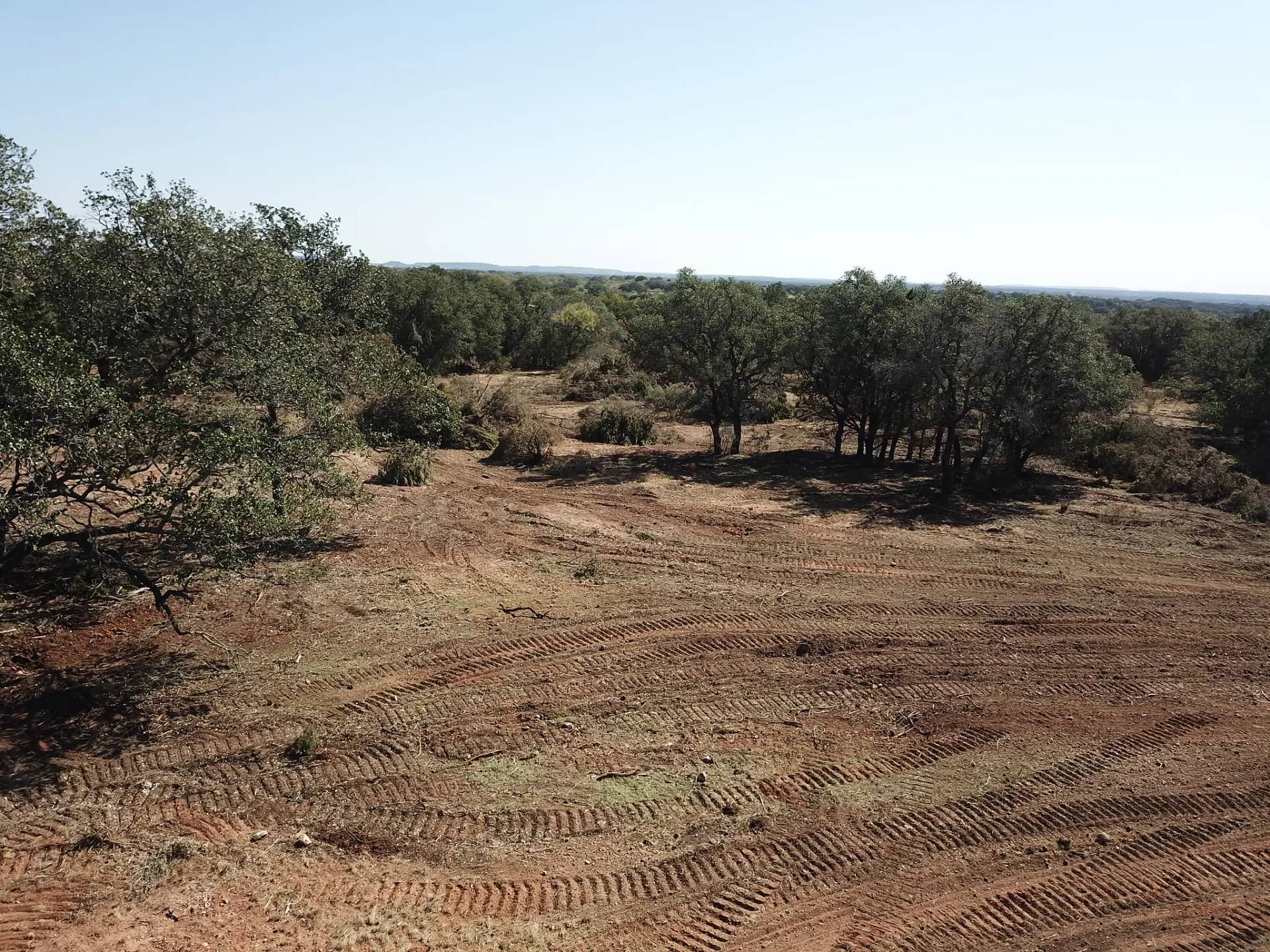
Land clearing: freshly cleared ground marked with track lines, a brush line beyond

How an Austin-area job runs

  1. 01

    Site walk and a rules check

    We walk the tract with you, flag the oaks and other trees to keep, and note anything that needs a call to the city, the county or Fish and Wildlife before work starts.

  2. 02

    Choose the machine by the ground

    The Weiler M860A mulcher on the limestone and in the pines. The CAT D5 dozer where roots have to come out or a pad needs cutting on the clay. Most tracts west of town are mulcher work.

  3. 03

    Clear, detail and hand back

    We clear the main area, make a detail pass along fences, drives and the trees left standing, and walk the finished ground with you before we load up.

Hill tracts and clay pasture around Austin

Whether the tract is in the hills off US 290 or on the clay past Hutto, the machines come down with the operators who run them, and they're Double L's own. North of Austin, see our Burnet County and Bell County pages, or Marble Falls up on the Highland Lakes.

Tell us which side of Austin the land is on and what you want to do with it. Request a free on-site estimate or call (254) 267-0626.

135 miles from Meridian

About that by road, on Highway 6, SH 317 and I-35. The crew and machines come from our base in Meridian.

Highway 6SH 317I-35MeridianAustin

Questions from Austin landowners

What should I check before clearing land inside Austin city limits?

The city's tree rules. Inside the limits, large trees are protected and removing them is a permit matter, so talk to the City of Austin before booking any clearing. Brush and small cedar are a different question from big oaks, and the site walk is a good time to sort out which you have.

Can I clear the cedar on my land west of Austin?

Usually, yes, and mulching is the best tool for it on limestone. If the stand is old, tall cedar mixed with oak in western Travis County, it may be golden-cheeked warbler habitat, so check with the U.S. Fish and Wildlife Service first.

When is the best time to clear around oaks near Austin?

If the work could wound oaks you're keeping, the Texas A&M Forest Service advises avoiding February through June because of oak wilt. Any fresh wound should be painted right away, whatever the season.

Is the black clay east of Austin hard to clear?

The clearing itself isn't the hard part. The clay is. It turns slick and ruts badly under heavy equipment after rain, so we time the work for dry ground and keep passes down on the areas you plan to build on.

Can you thin yaupon under the pines near Bastrop?

Yes. On the sandy post oak and loblolly pine ground toward Bastrop and Smithville, the mulcher takes the yaupon and understory out from under the trees you're keeping and leaves the chips on the sand, which washes easily once it's bare. Opening that understory around a house also takes out the low fuel close to the buildings.

Let’s get your land working for you.

Free on-site estimates for farms, ranches and homesites in Austin, TX.

CallFree quote