Call or text anytimeMeridian, TX · Bosque CountyFacebookYouTubeInstagram
Double L Land Management LLC (254) 267-0626Free quote
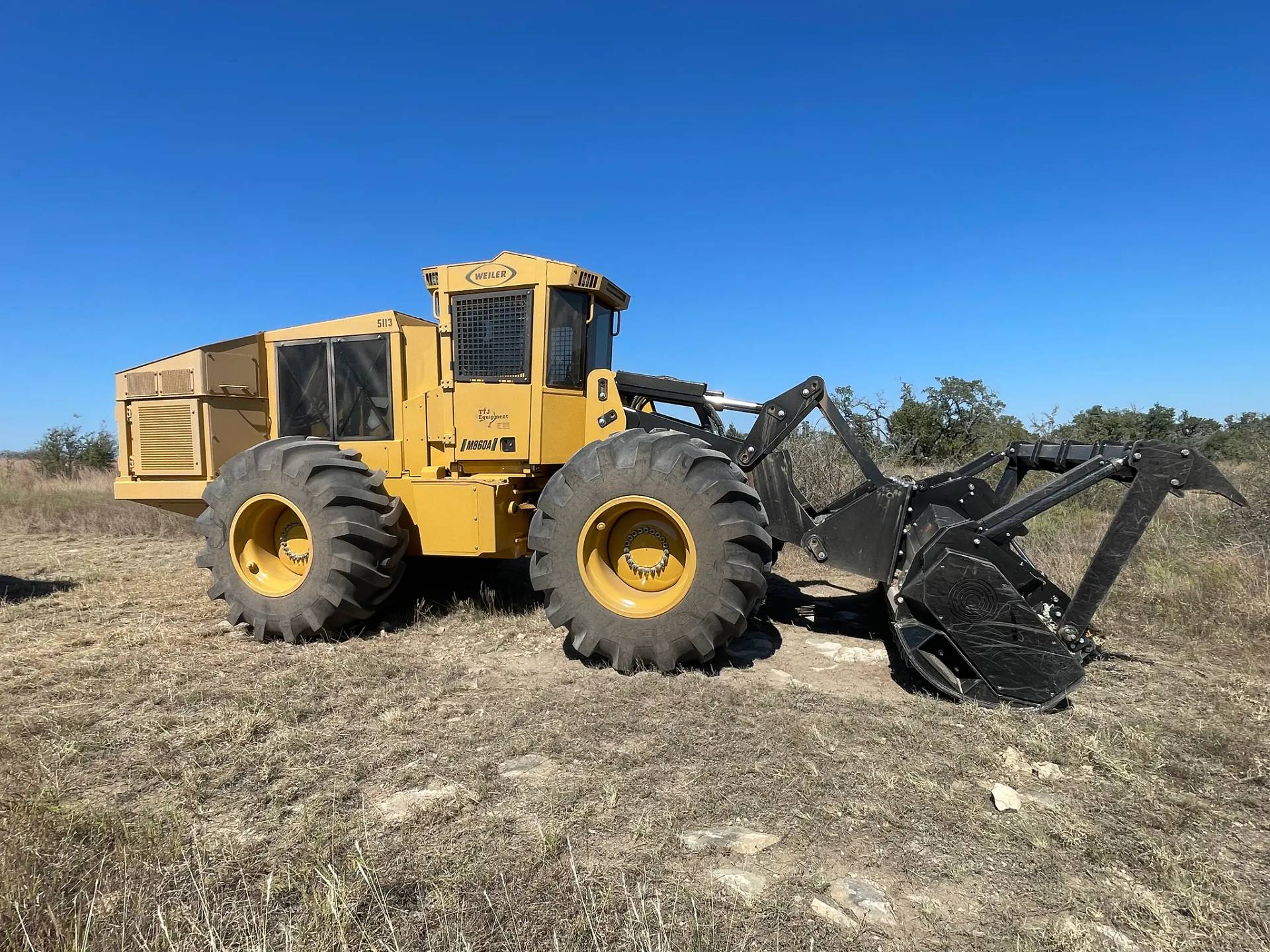
Side profile of a yellow Double L forestry mulcher on a freshly cleared field under a blue sky

Land clearing and forestry mulching in Uvalde County, TX

Where the Hill Country breaks onto the brush plains.

Double L Land Management clears cedar, mesquite and thorny brush across Uvalde County, TX, from the canyons above Concan to the flats around Uvalde and Knippa. The crew comes down from Meridian for river-view homesites, hunting country and pasture.

Fully insured · all-new fleet · Weiler M860A mulchers · CAT 320 excavators

Uvalde County is two kinds of country in one. The northern third is Edwards Plateau, cut by the Frio, Sabinal and Nueces river canyons, with cedar and live oak on thin soil over limestone. South of Uvalde the land drops and flattens into South Texas brush country, where mesquite, blackbrush and prickly pear take over any pasture that isn't worked. Double L Land Management does land clearing and forestry mulching on both halves, and the plan for your tract starts with which half it's on.

Canyon land north of US 90

Above Uvalde, US 83 climbs toward Concan and Garner State Park, and the roads up the Sabinal lead to Utopia. The ground climbs steadily from the flats into these hills, and the trees change with it: Ashe juniper, live oak, shin oak and some red oak. The soil over the limestone is shallow. On this ground a forestry mulcher is usually the right tool: it cuts the cedar at the base, lays the shredded wood back on the slope and leaves the thin topsoil where it is. A dozer working a rocky hillside can strip it down to bare rock that won't hold grass for years.

Typical canyon-country jobs are clearings for a house or cabin on a river-view tract, cedar thinned out of oak mottes, and access roads and fire lanes opened through brush to a build site or a deer blind. Ashe juniper doesn't resprout once it's cut at the base, so a thorough pass usually finishes it. Where limestone ledges make a road or pad rough, rock grinding breaks the rock down into a drivable surface.

Brush country around Uvalde, Knippa and Sabinal

South and east of town, along US 90 toward Knippa and Sabinal, the ground is the South Texas Plains: deeper soils, scattered live oak and post oak, and the thorny brush the region is known for. Honey mesquite, blackbrush, huisache, cenizo, granjeno and prickly pear crowd into pasture, fence lines and the edges of irrigated fields. Mesquite and most of these shrubs resprout from the base after they're cut, so we tell you up front what will come back and what a follow-up plan looks like.

  • Hunting lease work. Senderos, shooting lanes and feeder roads cut through the brush, with the cover deer need left standing between them.
  • Pasture reclamation. Mesquite and prickly pear cleared back so grass can come back for cattle or goats.
  • Field and fence line edges. Brush cleared off old fence lines and field margins before new ranch fencing goes in.
  • Build sites. A cleared, graded pad for a house, barn or metal building on a rural tract off US 90 or US 83.
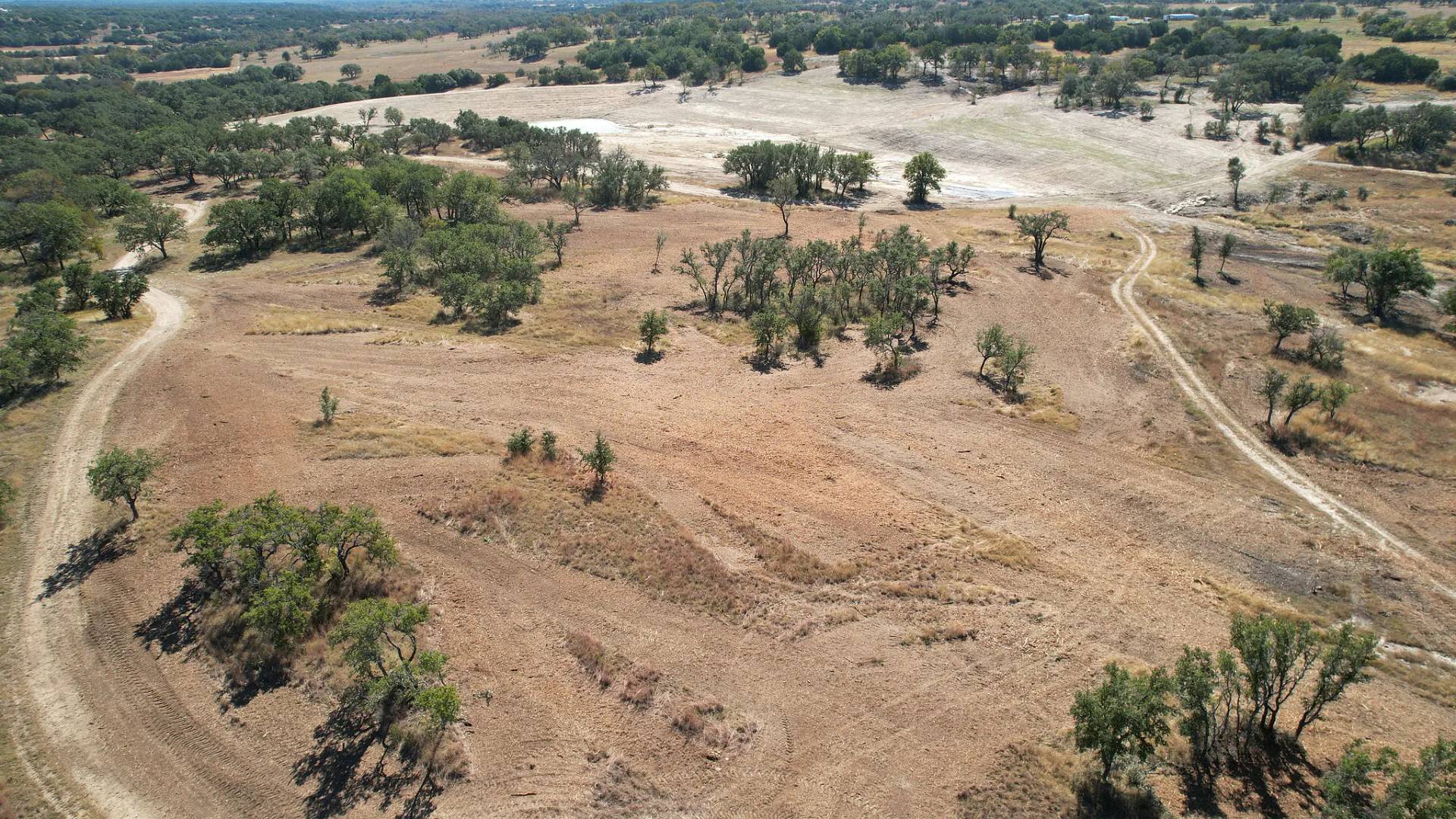
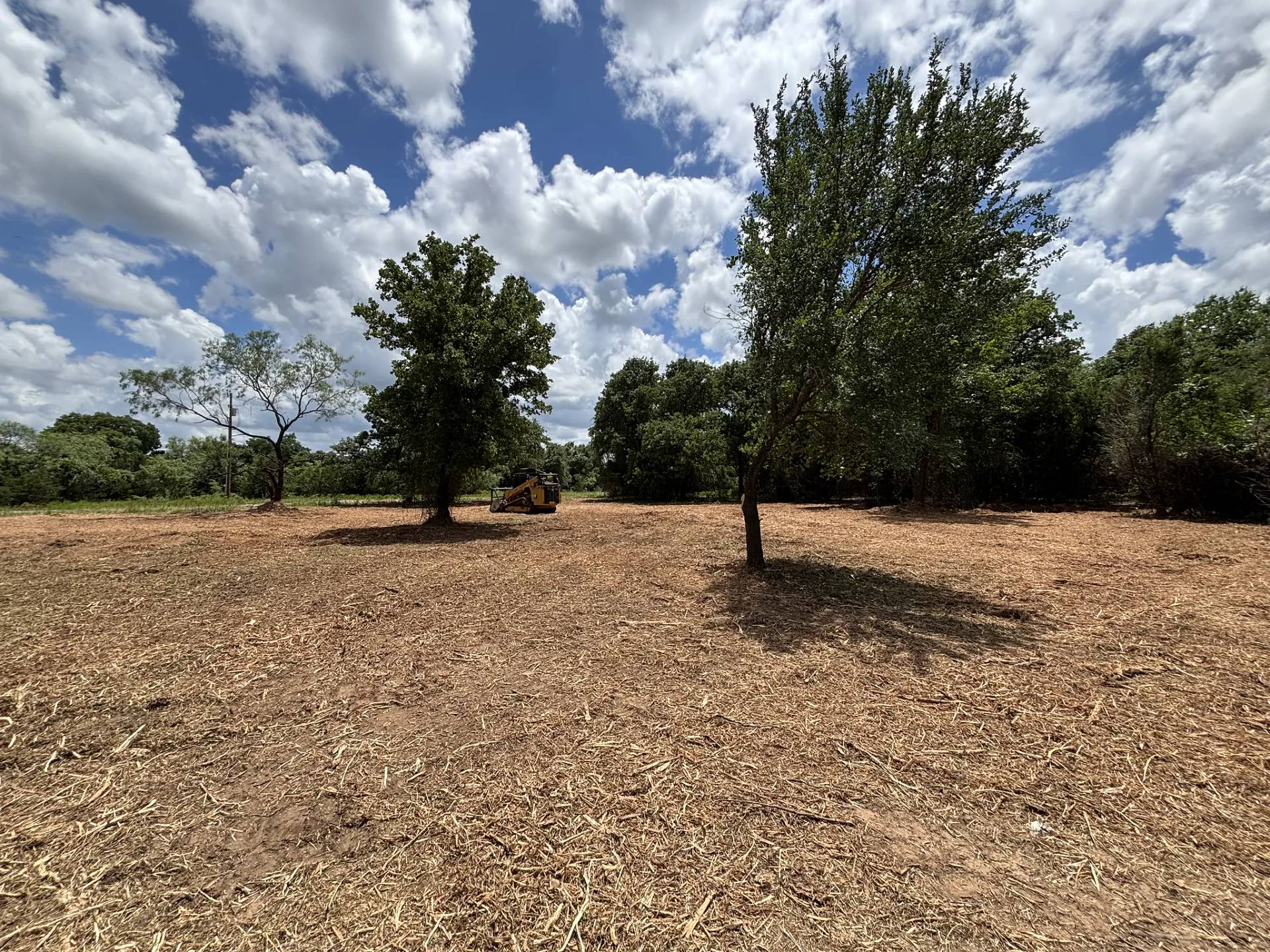
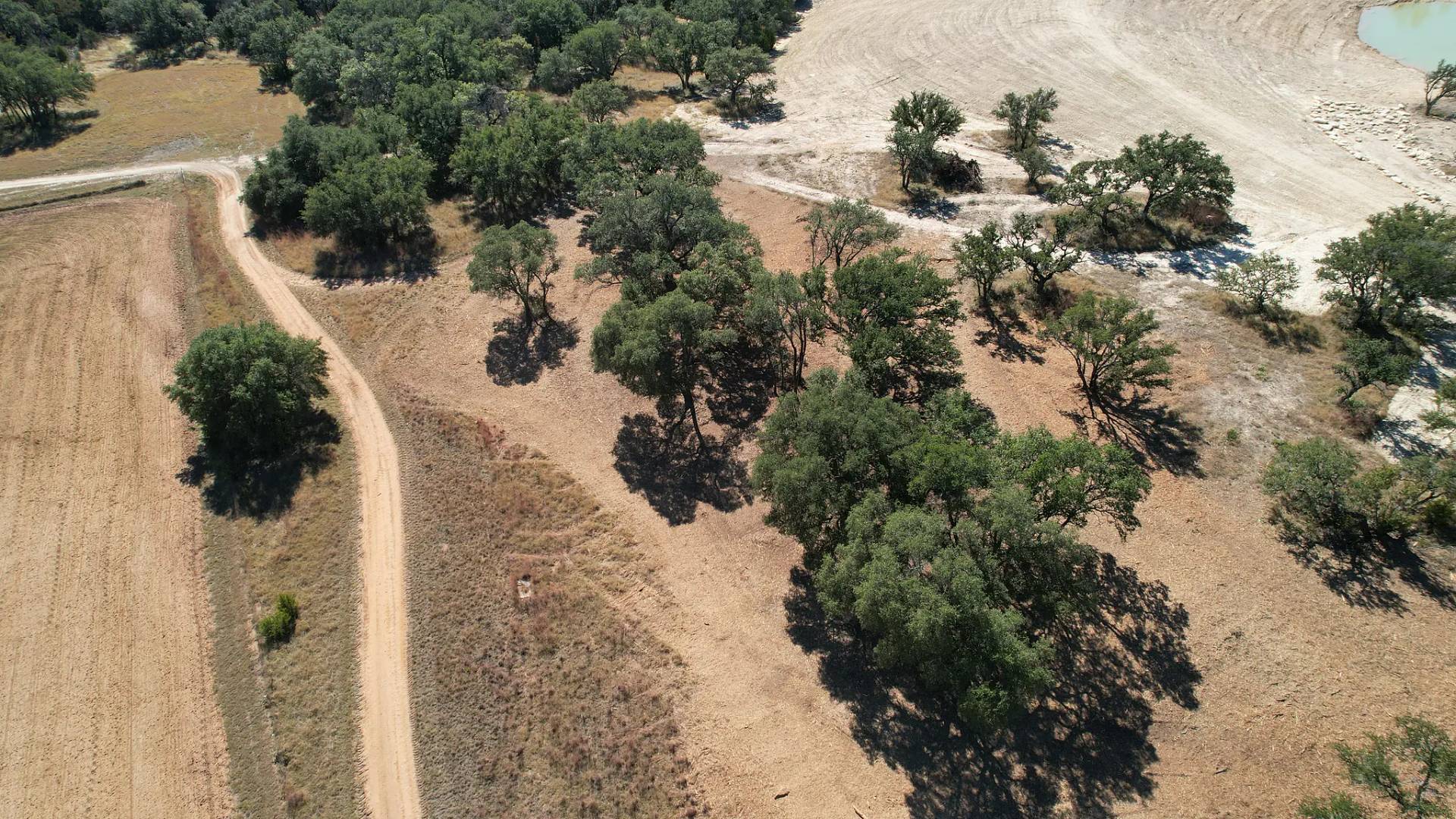
Drone view of a large tract cleared of brush, oak mottes and a ranch road across the ground
Pasture mulched clear of brush with live oaks left standing under a big sky

Keep the guajillo

Not every bush on a Uvalde County ranch is a problem. Guajillo is the shrub behind the county's long reputation for honey, and it's good browse for white-tailed deer. On a lease or a ranch run for wildlife, selective clearing usually makes more sense than taking a pasture flat. We mark the guajillo, the bigger live oaks and the brush you want left as cover, and the operator works around them. The mulcher can pick its way through a stand without taking everything in its path.

A band across the middle of Uvalde County sits on the Edwards Aquifer recharge zone. If the clearing is the first step of a build on that ground, TCEQ's Edwards Aquifer rules can require an approved plan before construction starts. Raise it early, and we'll flag it on the site walk.

Down I-35 and out US 90

Double L is based in Meridian, in Bosque County. Uvalde is about 290 miles from there by I-35 to San Antonio and then US 90 west through Castroville, Hondo and Sabinal. The crew and the equipment travel down from Meridian for Uvalde County work, and the people who step off the truck at your gate on US 83 or FM 187 are our own operators, not a subcontracted local crew. If you're also looking at ground farther up in the hills, see our pages for Real County and Bandera County, or east to Frio County.

Tell us where the tract is and what you want it to look like when we leave. Request a free on-site estimate or call (254) 267-0626, and we'll talk through the ground, the brush and the trip down.

290 miles from Meridian

About that by road, on Highway 6, SH 317, I-35 and US 90. The crew and machines come from our base in Meridian.

Highway 6SH 317I-35US 90MeridianUvalde County

Questions from Uvalde County landowners

Do you really travel to Uvalde County from Meridian?

Yes. It's about 290 miles by I-35 and US 90, so the free on-site estimate comes first and the scope is settled before the machines are loaded. Call (254) 267-0626 with where the tract is and whether it's canyon ground north of US 90 or brush country south of it.

Is forestry mulching or a dozer better for Uvalde County land?

On the limestone hills north of US 90, mulching is usually better because it keeps the thin soil in place. On the deeper brush-country soils south of town, or where roots need to come out and a pad needs cutting, the CAT D5 dozer earns its place. Plenty of tracts use both.

Will mesquite and blackbrush come back after clearing?

Mesquite and most of the thorny South Texas shrubs resprout from the base after they're cut, so plan on follow-up. Ashe juniper in the northern hills does not come back from the stump. We go through what's on your tract and what to expect at the site walk.

Can you clear a Uvalde County hunting lease without ruining the cover?

Yes. We cut senderos, roads and blind sites to the layout you want and leave the brush between them. Guajillo and other browse plants can be marked and left standing.

Do I need TCEQ approval to clear land over the Edwards Aquifer in Uvalde County?

TCEQ's Edwards Aquifer Protection Program covers construction and other regulated activities on the recharge, transition and contributing zones in Uvalde County. If your clearing is part of a build, check with TCEQ's San Antonio regional office about whether you need an approved plan before work starts.

Let’s get your land working for you.

Free on-site estimates for farms, ranches and homesites in Uvalde County, TX.

CallFree quote