Forestry mulching is a land clearing method that uses a single machine to cut, grind, and spread vegetation in one pass, leaving a protective layer of organic mulch on the soil instead of piles of debris, burn scars, or bare ground. If you own rural land in Texas and you're dealing with overgrown brush, invasive cedar, or acres of scrub that are eating into your usable property, this guide covers everything you need to make a smart decision.
We've worked with Texas landowners across Bosque, Coryell, and Lampasas counties, and the three questions we hear most before a job are: What exactly is forestry mulching? How much does it cost? And is it better than just using a dozer? We'll answer all three, and more, in plain language.
What is forestry mulching and how does it work?
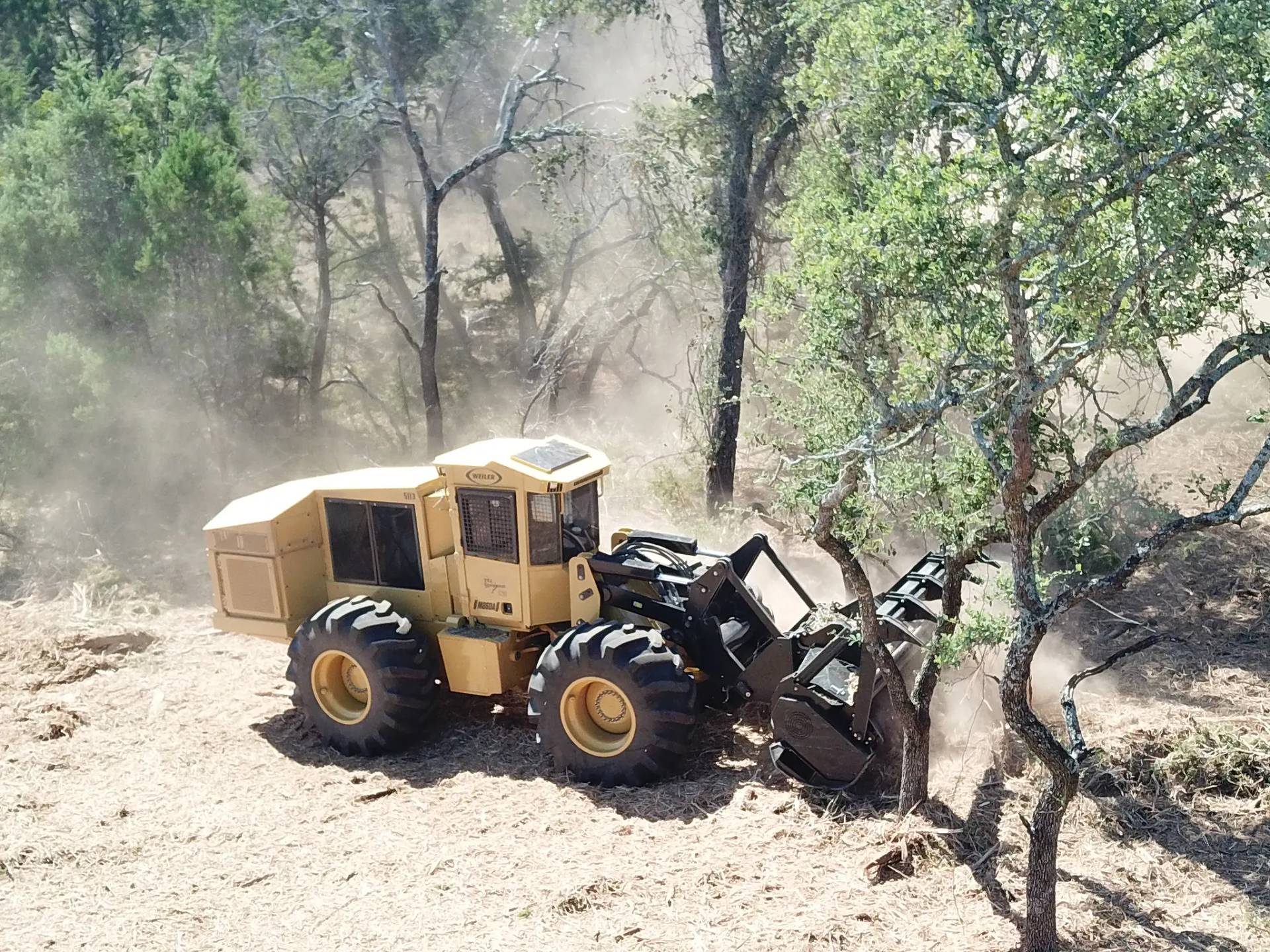
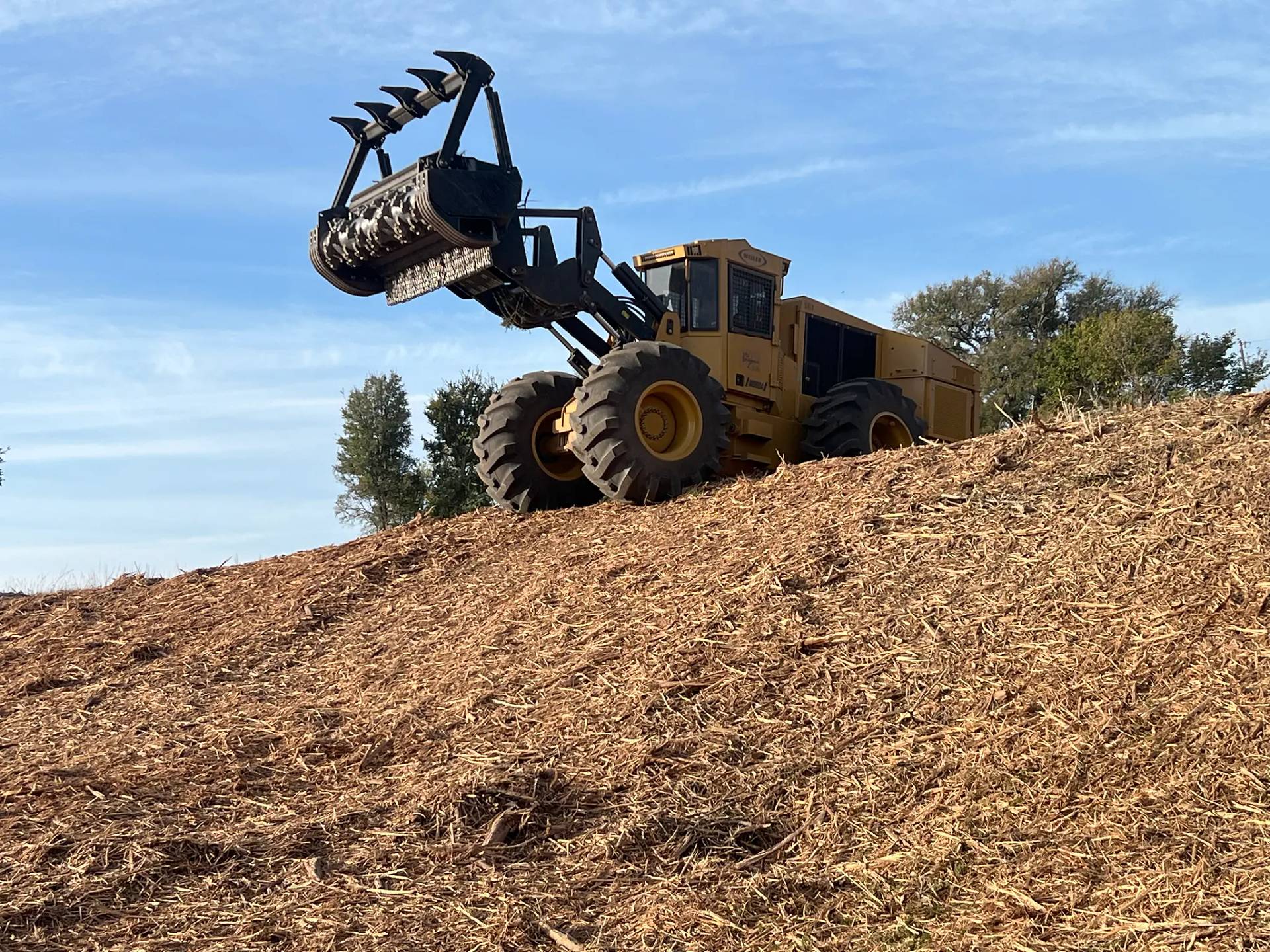
What is forestry mulching? Forestry mulching is a vegetation management process that uses a drum-style machine, equipped with carbide or flail teeth, to shred trees, brush, and stumps down to ground level in a single pass. The shredded material is spread evenly across the soil as a natural mulch layer.
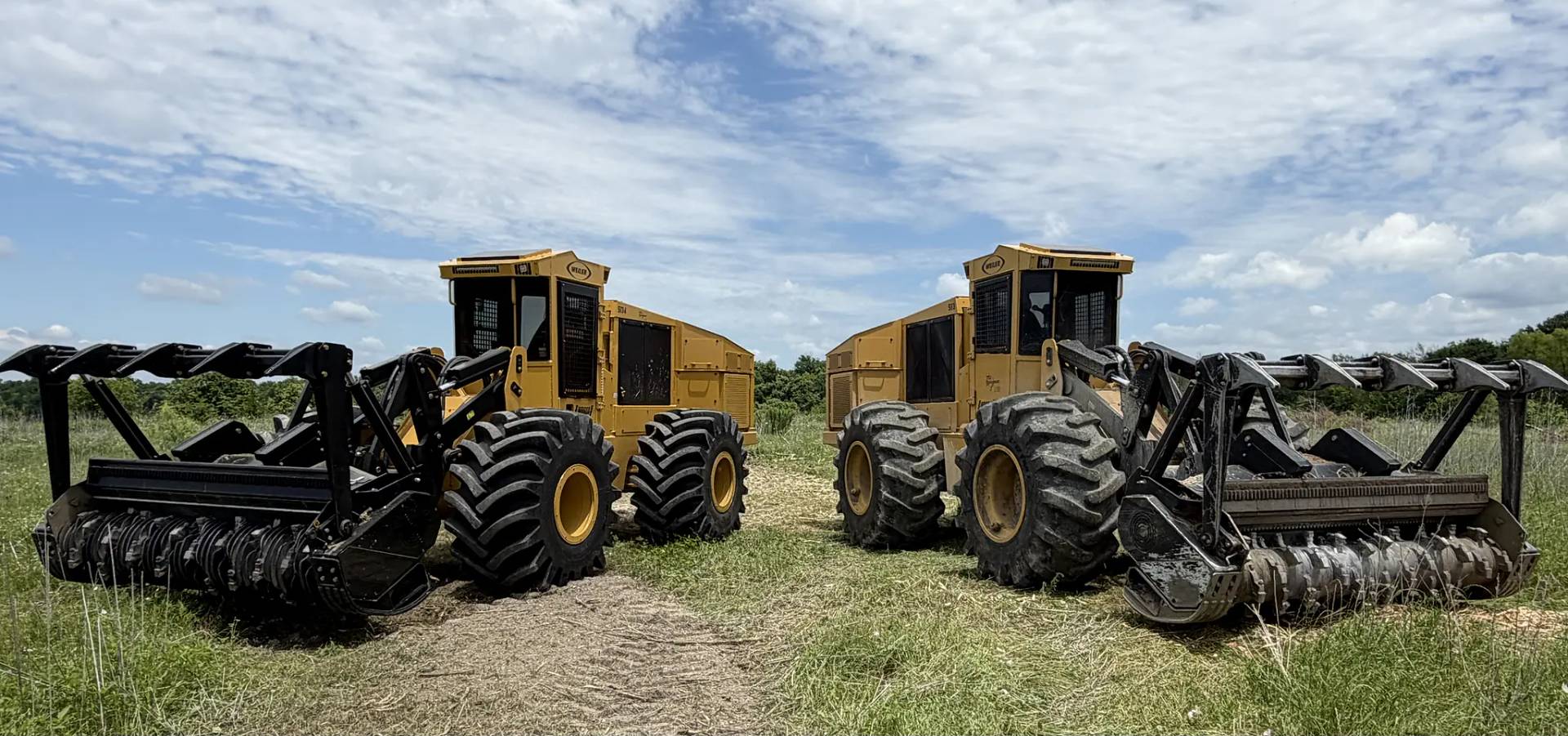
The machine used is typically a tracked carrier or skid steer mounted with a mulching head. On heavier jobs with dense timber, a larger tracked unit with higher horsepower handles the workload. The mulching head spins at high RPM, and the carbide teeth tear through material rather than cutting it cleanly. This is what makes it fast: a well-matched machine and operator can process one to four acres per day depending on vegetation density.
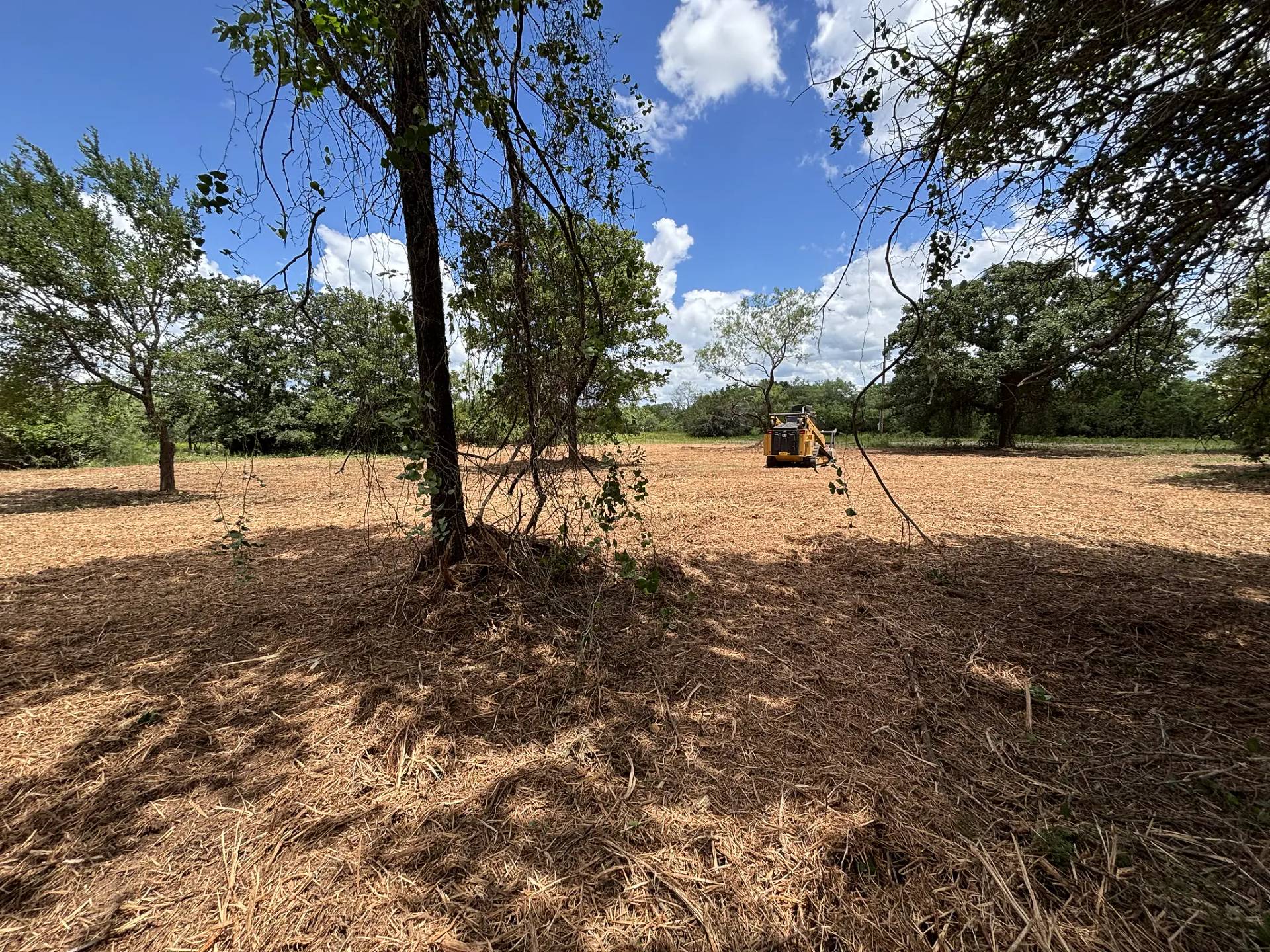
The mulch that stays on the ground isn't waste. It breaks down over 1 to 3 years, returning organic matter and nutrients to the soil, with visible surface integration typically happening within the first 12 to 18 months. This is a big part of why landowners who care about long-term land health choose mulching over burning or pushing material into piles.
Did you know? A single forestry mulching pass eliminates the need for a separate brush cutter, debris hauler, and burn crew. That consolidation is where much of the cost savings come from compared to traditional clearing methods.
The real benefits of forestry mulching for Texas land
You'll find a standard benefits list on most contractor websites. We want to give you the practical version: the ones that actually show up on a job site.
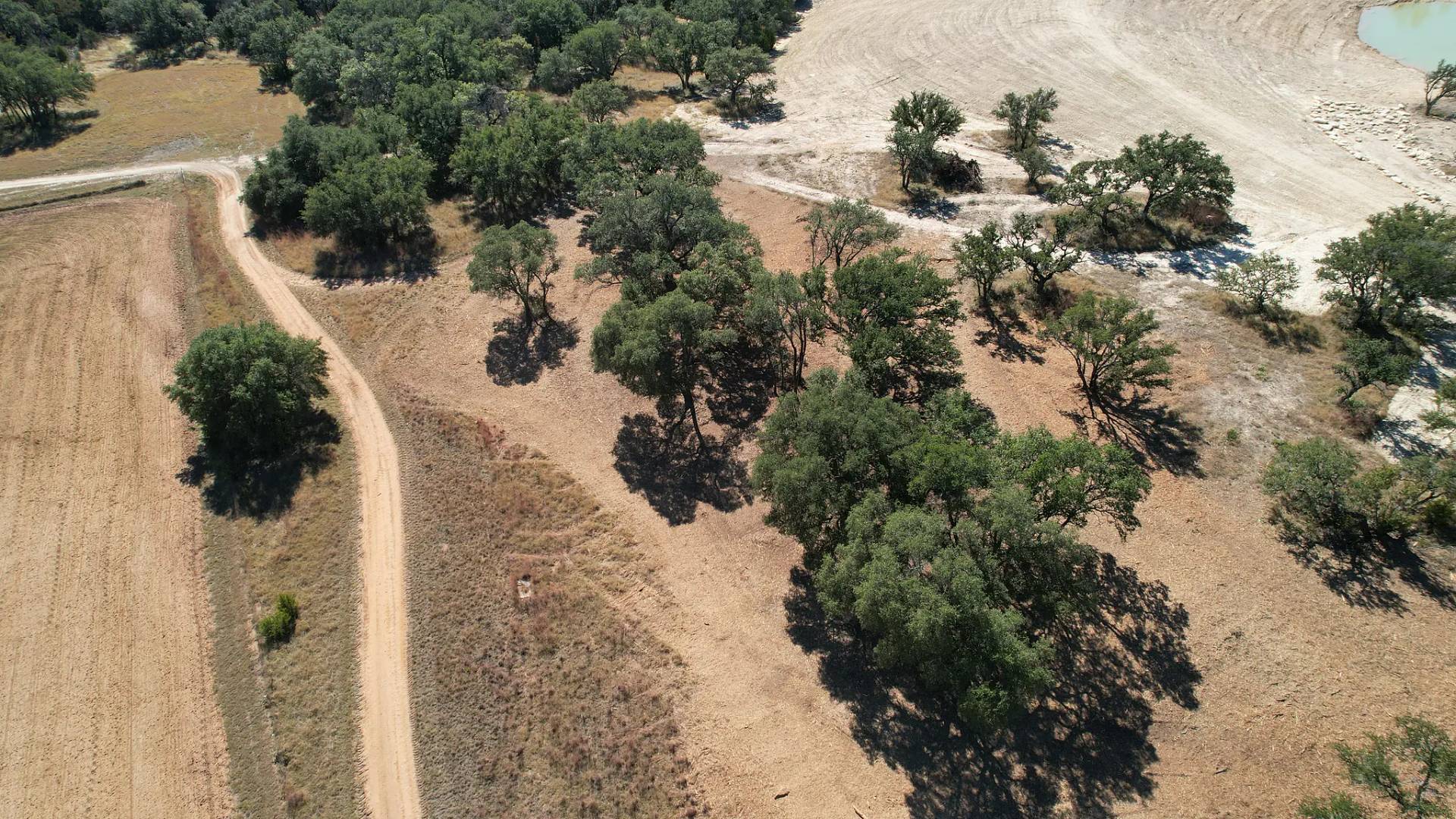
- Soil stays intact. Traditional dozer clearing scrapes the topsoil layer along with everything else. In Central Texas, where topsoil can be thin over caliche and limestone, that's a serious setback. Mulching machines ride over the surface. The soil profile underneath is left undisturbed.
- No burn pile management. Burning debris requires dry conditions, a burn permit, and a landowner willing to babysit the fire. In drought-prone Texas, that window closes fast. Mulching removes that variable entirely.
- Immediate erosion control. The mulch layer left behind holds moisture and slows runoff. On sloped terrain or near creek drains, this matters. We've done jobs along hillsides near Hamilton County where the erosion protection from mulching was the primary reason the landowner chose it over any other method.
- One machine, one mobilization. Every time equipment rolls onto your property, there's a cost attached. Forestry mulching consolidates the work into a single machine and a single mobilization fee. For landowners with remote acreage, that's a real number.
Pro tip: If you're prepping land for a future fence line, trail system, or food plot, mulching gives you a clean, drivable surface when the job is done: no stumps to work around, no debris to trip over.